


Blastox Resource Center
When Is Lead Stabilization a Better Option Than Disposal?
Learn when lead stabilization may be a better option than direct hazardous disposal for blasting waste, contaminated soil, TCLP compliance, landfill acceptance, and project cost control.
Industrial blasting contractors, environmental remediation contractors, engineers, estimators, owners, and compliance teams need to know when lead stabilization may be a better option than direct hazardous disposal. Lead can turn a routine scope of work into a regulatory and cost problem when the resulting waste fails leachability testing.
On commercial and industrial projects, the objective is not to make broad claims about contamination. The objective is to manage the material under the correct regulatory framework and document the path from project planning to disposal.
For projects where lead or other metals may leach from blasting waste or contaminated soil under regulatory testing, stabilization should be evaluated before the project reaches the waste-handling stage. TDJ Group manufactures calcium silicate stabilization chemistries for both abrasive blasting waste and contaminated soil, including Blastox® for one-step lead paint abatement and Blastox® 215 for soil remediation.
The technical purpose is to reduce leachable lead and help project teams support TCLP compliance, landfill acceptance, and a more predictable disposal plan.
When Hazardous Disposal Cost Is Driving the Budget
Lead can appear in several project waste streams, including spent abrasive from coating removal and soil from industrial remediation. In both cases, regulatory classification depends heavily on leachable concentration, not only total lead content.
TCLP testing simulates acidic leaching conditions and helps determine whether the waste is hazardous for lead. When lead equals or exceeds 5.0 mg/L in the TCLP extract, the disposal pathway, cost, paperwork, and generator obligations can change significantly.
The planning conversation should include the waste type, expected volume, available analytical data, and the disposal facility requirements. TCLP testing is used to determine whether a waste is hazardous for lead, while MEP testing provides a stronger indicator of long-term stability under repeated acidic extraction.
Why Early Review Matters
By addressing these issues early, the contractor can avoid discovering a hazardous waste problem only after containers, roll-offs, or stockpiles are already staged for shipment.
Stabilization Strategy
When Leachable Lead Can Be Reduced Before Disposal
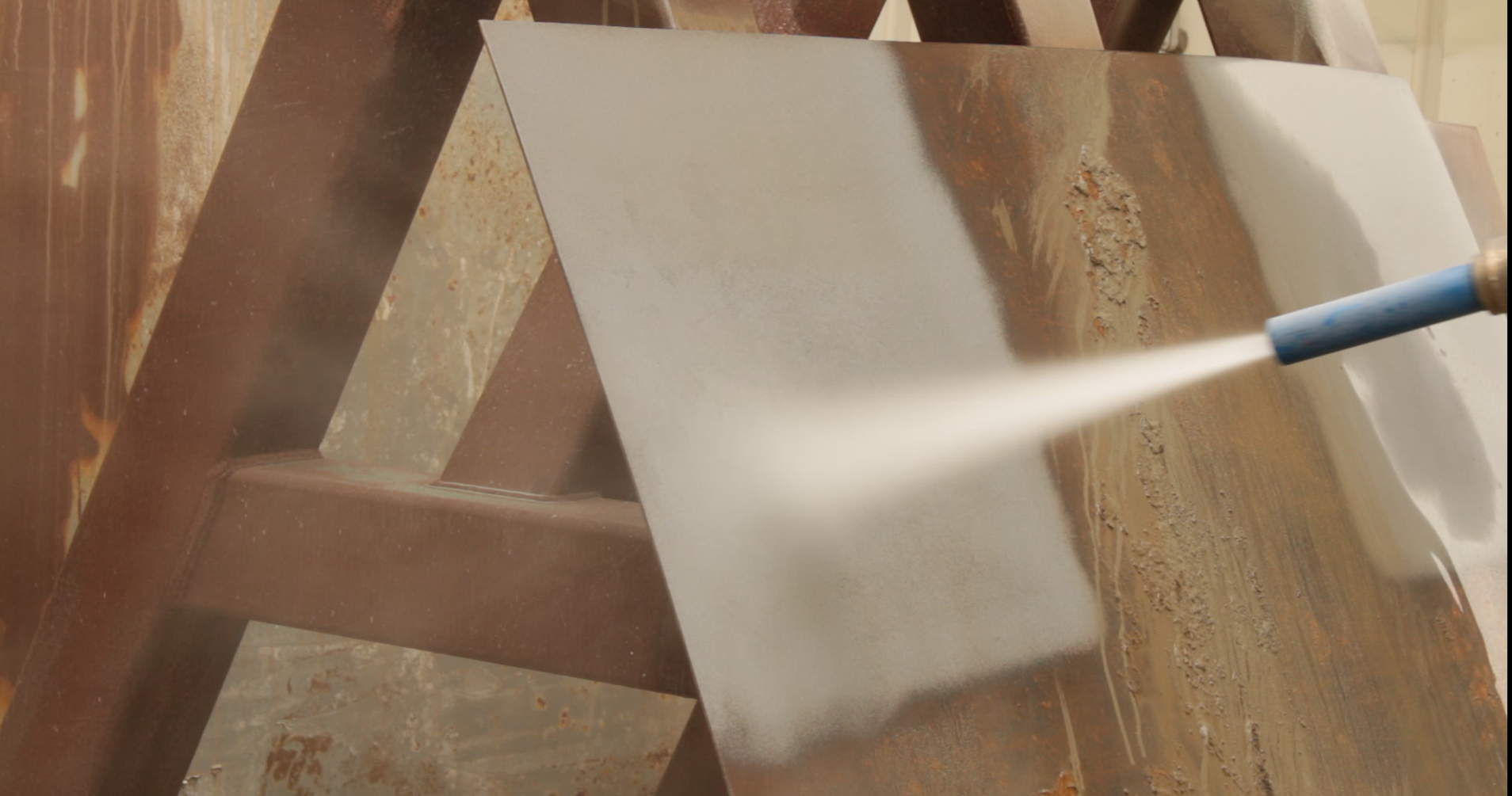
Removal physically separates material from a structure or site. Stabilization changes the leaching behavior of the waste. In abrasive blasting, the coating is removed from the structure, while stabilization helps manage the spent abrasive and paint debris that result from the work.
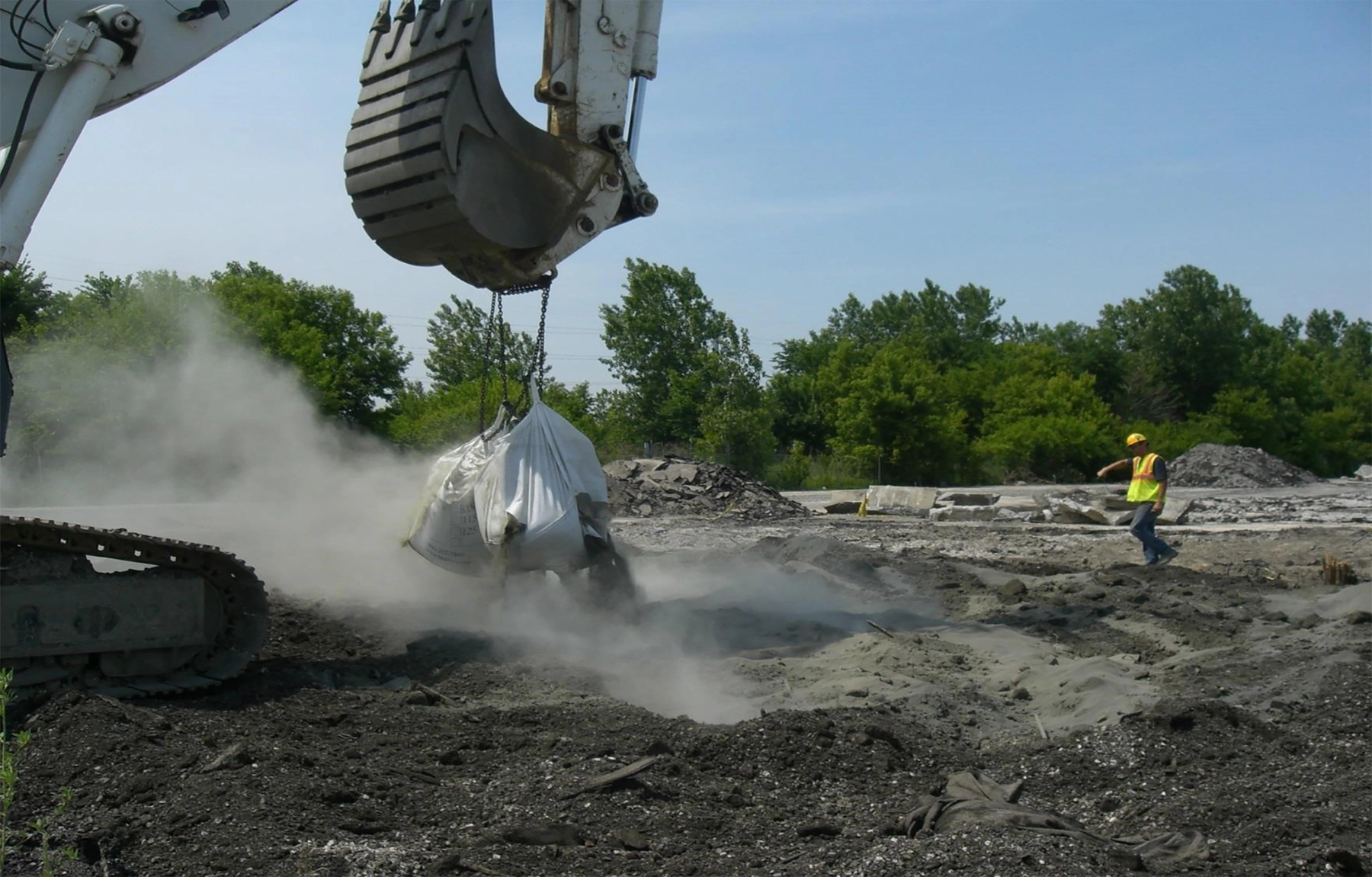
In soil remediation, excavation may still be used, but stabilization can reduce leachability before disposal. Contractors need to understand which problem they are solving: removal from the asset, regulatory classification of the waste, or both.
Across both applications, the stabilization approach is built around reducing leachability rather than simply moving material from one location to another. Reducing leachability is different from diluting the waste or moving it to another location.
The project still requires testing and documentation, but the treatment strategy is aimed at changing how lead behaves under acidic extraction conditions.
Learn more about Blastox solutionsKey Takeaways
What to Understand Before Choosing Stabilization or Disposal
Lead stabilization may make sense when testing risk, disposal cost, landfill access, and long-term documentation requirements point to a better managed disposal plan.
TCLP Risk Comes First
A stabilization decision should start with the waste stream, available analytical data, expected volume, and whether the material is likely to fail TCLP for lead.
Disposal Cost Is Broader Than Tipping Fees
Freight distance, profiling delays, container handling, manifesting, storage time, owner liability, and generator status can all affect the true cost of disposal.
Documentation Supports Acceptance
The project record should connect the selected treatment method, field execution, sample results, and landfill acceptance decision.
Project Support
Need Help Comparing Lead Stabilization and Disposal?
TDJ Group supports contractors, engineers, and owners with project review, treatability planning, and field implementation guidance for Blastox® stabilization chemistries.
Landfill Acceptance
When Landfill Access Is Limited
TCLP is the primary test used to determine whether the waste is hazardous for lead. MEP is used to evaluate long-term stability under repeated acidic extraction. A stabilization chemistry that performs under MEP provides stronger support that the result is not based only on temporary pH buffering.
For engineers and owners, this distinction matters because disposal decisions should be backed by a technical record that addresses both initial compliance and long-term immobilization.
A common mistake is to focus only on total lead. Total metals data can be useful for screening, health and safety planning, and understanding source material, but TCLP is the key test for hazardous waste classification.
A project with high total lead may not always fail TCLP, and a project with concentrated soluble lead can create a disposal issue even when the total result is not the only concern.
Recommended Process
How to Evaluate the Business Case
Review Waste Type and TCLP Risk
Confirm whether the project involves spent abrasive, paint debris, contaminated soil, or mixed waste streams, then review total metals data, TCLP history, and expected failure risk.
Compare Disposal Burden and Treatment Cost
Evaluate hazardous disposal cost, hauling distance, profiling delays, paperwork, generator obligations, storage time, and landfill options against the cost of stabilization.
Select the Appropriate Blastox® Product
Use Blastox® as a pre-blended abrasive additive for lead paint blasting waste and Blastox® 215 for contaminated soil stabilization when project conditions support the application.
Plan Testing, Documentation, and Acceptance
Connect the selected treatment method, field execution, sample results, and landfill acceptance decision before waste is generated, excavated, or shipped.
When Generator Status Is a Concern
The cost difference between hazardous and non-hazardous management is not limited to landfill tipping fees. Freight distance, container handling, profiling delays, manifesting, owner liability concerns, storage time, and generator status can all affect the true cost.
Stabilization can make sense when the avoided hazardous disposal burden is larger than the treatment cost. The analysis should be project specific, but the decision should always start with TCLP risk, waste volume, and available landfill options.
The compliance impact is especially important for public infrastructure, industrial redevelopment, and owner-driven maintenance programs. A waste stream that can be managed as non-hazardous after proper testing may reduce disposal burden, but the contractor should never assume acceptance without lab results and landfill approval.
The right approach is technical, documented, and project-specific.
When Long-Term Stability Matters
For blasting projects, stabilization should be evaluated before the abrasive is ordered so the correct pre-blended media can be supplied. For soil projects, stabilization should begin with representative sampling and treatability testing.
In both cases, the contractor should plan confirmatory testing, landfill acceptance, and documentation before field work starts. This helps avoid surprises after waste has already been generated or excavated.
The practical question is not whether stabilization is always required. The question is whether the waste is likely to fail TCLP, whether hazardous disposal would materially increase cost, and whether a tested stabilization approach can reduce leachability enough to support the desired disposal pathway.
Contractor Checklist
Before work begins, gather coating or soil data, review TCLP history, confirm the intended waste stream, estimate volume, and decide who will coordinate sampling. The most important planning items are representative testing, the stabilization method, the disposal facility, and the documentation package needed for acceptance.
Early technical review is especially valuable when the project involves mixed waste streams, variable contamination, high lead hot spots, or tight disposal deadlines. Reviewing the available analytical data before mobilization can prevent underestimating the scope of stabilization or missing a landfill documentation requirement.
Common Questions
Frequently Asked Questions
Why does TCLP matter on lead stabilization projects?
TCLP determines whether lead is leachable above the regulatory threshold. That result can affect waste classification, landfill acceptance, hauling, cost, and documentation.
Is lead stabilization the same as lead removal?
No. Removal separates material from a structure or site. Stabilization changes how lead behaves in the waste stream so leachability can be reduced before disposal review.
How does TDJ Group support project planning?
TDJ Group helps contractors, engineers, and owners review analytical data, evaluate Blastox® or Blastox® 215, plan testing, and support field implementation for qualifying projects.
How to Request Technical Guidance
TDJ Group supports contractors, engineers, and owners with project review, treatability planning, and field implementation guidance for Blastox® stabilization chemistries. The most useful information to provide includes total metals data, TCLP results, project location, estimated volume, schedule, intended disposal facility, and whether the material is blasting waste, soil, or both.
For help matching the right Blastox® product to a blasting or soil project, visit www.blastox.com and request project-specific technical guidance.
Ready to Discuss Your Project?
Get Help Choosing the Right Lead Stabilization Approach
Contact TDJ Group to discuss your waste stream, TCLP results, project schedule, landfill requirements, and whether Blastox® or Blastox® 215 may fit your disposal planning needs.