


Blastox Resource Center
Heavy Metal Stabilization for Contaminated Soil: When Treatment Makes Sense
Environmental remediation contractors, environmental engineers, site owners, industrial redevelopment teams, firing range managers, and municipal project managers need to know when heavy metal stabilization for contaminated soil makes sense.
Lead can turn a routine scope of work into a regulatory and cost problem when the resulting waste fails leachability testing. On commercial and industrial projects, the objective is not to make broad claims about contamination; it is to manage the material under the correct regulatory framework and document the path from project planning to disposal.
For projects involving commercial and industrial soil remediation projects where lead or other RCRA metals create TCLP failure risk, stabilization should be evaluated before the project reaches the waste-handling stage. Blastox® 215 is a dry, complex calcium silicate chemistry listed as EPA Best Demonstrated Available Technology for stabilizing heavy metal wastes such as lead and cadmium. The technical purpose is to reduce leachable lead and help project teams support TCLP compliance, landfill acceptance, and a more predictable disposal plan.
Why Lead-Contaminated Soil Is a Project Risk
Lead-contaminated soil can create a major cost and compliance issue when it fails TCLP. Many commercial and industrial sites have lead impacts from legacy manufacturing, battery handling, firing ranges, scrap operations, demolition debris, or historical fill. The project risk is not simply that lead exists in the soil; it is whether lead leaches under acidic extraction conditions. If untreated soil exceeds the regulatory threshold, the disposal pathway can shift from non-hazardous landfill management to hazardous waste management.
The planning conversation should include the waste type, expected volume, available analytical data, and the disposal facility requirements. Projects commonly use treatability testing to determine the appropriate dose range, followed by field mixing and confirmatory TCLP testing before landfill acceptance. By addressing these issues early, the contractor can avoid discovering a hazardous waste problem only after containers, roll-offs, or stockpiles are already staged for shipment.
Why This Matters for Contractors and Project Owners
For owners, the benefit of stabilization is not only a lower disposal invoice. It can also reduce uncertainty during redevelopment, support landfill acceptance, and create a documented path for managing metal-impacted material. That is why engineers often evaluate stabilization when disposal cost, schedule, and liability are all important.
Stabilization Strategy
How Stabilization Differs From Excavation Alone
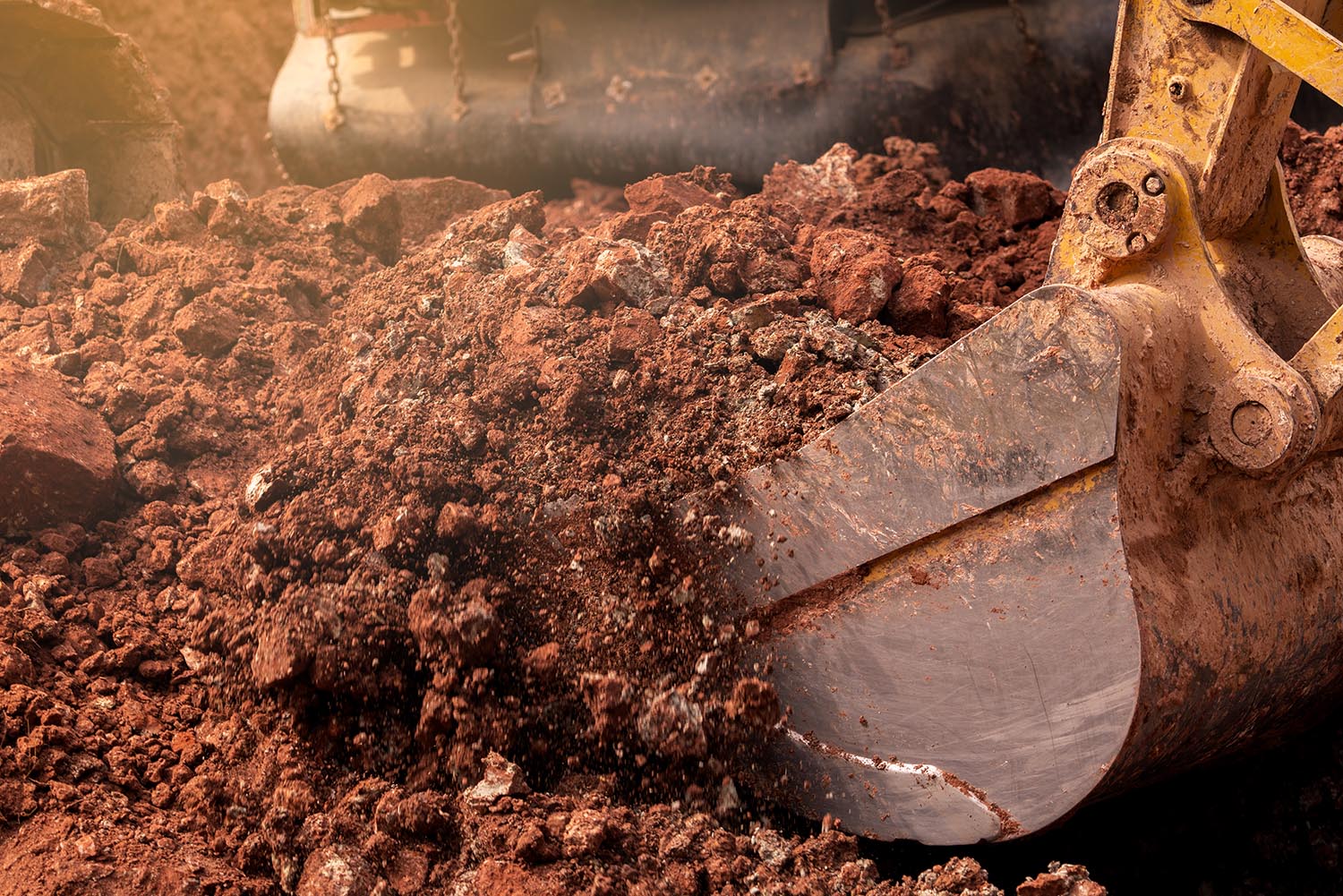
Excavation removes contaminated soil from the site, but it does not necessarily solve the classification problem. If the excavated material fails TCLP, the owner and contractor still have to manage it as hazardous waste unless a treatment approach reduces leachability. Stabilization is designed to chemically immobilize metals so the treated soil can be retested and evaluated for non-hazardous disposal, subject to landfill and regulatory acceptance.
The chemistry supports stabilization through alkaline matrix creation, chemical conversion of soluble lead compounds into less soluble lead silicates, and micro/macro encapsulation that limits water access and leaching. Reducing leachability is different from diluting the waste or moving it to another location. The project still requires testing and documentation, but the treatment strategy is aimed at changing how lead behaves under acidic extraction conditions.
Learn more about Blastox solutionsKey Takeaways
What Readers Should Understand Before Starting a Project
Heavy metal stabilization for contaminated soil should be planned around representative testing, proper mixing, confirmatory TCLP results, and landfill documentation.
TCLP Drives Disposal Planning
Total metals data can be useful, but TCLP is the key test for hazardous waste classification. A project with high total lead may not always fail TCLP, and soluble lead can still create disposal issues.
Treatability Testing Guides Dose
A treatability study helps identify a practical additive rate, product quantity, mixing method, equipment needs, confirmatory sampling plan, and landfill documentation.
Documentation Reduces Risk
Contractors should document soil volume, dose rate, mixing passes, sample locations, and lab results so the disposal pathway is supported by a clear technical record.
Project Support
Need Help Reviewing a Contaminated Soil Stabilization Project?
TDJ Group supports contractors, engineers, and owners with project review, treatability planning, and field implementation guidance for Blastox® 215.
Testing and Planning
The Role of Treatability Testing
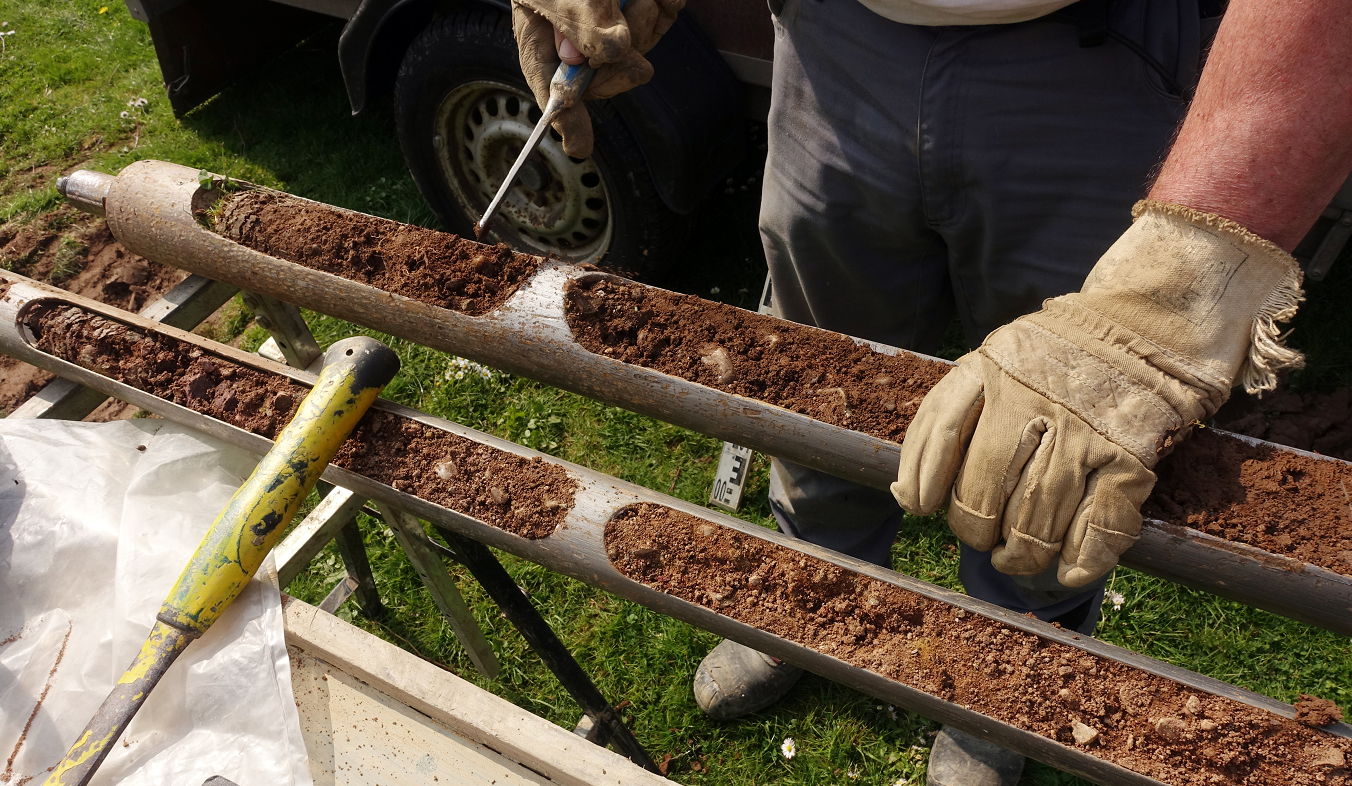
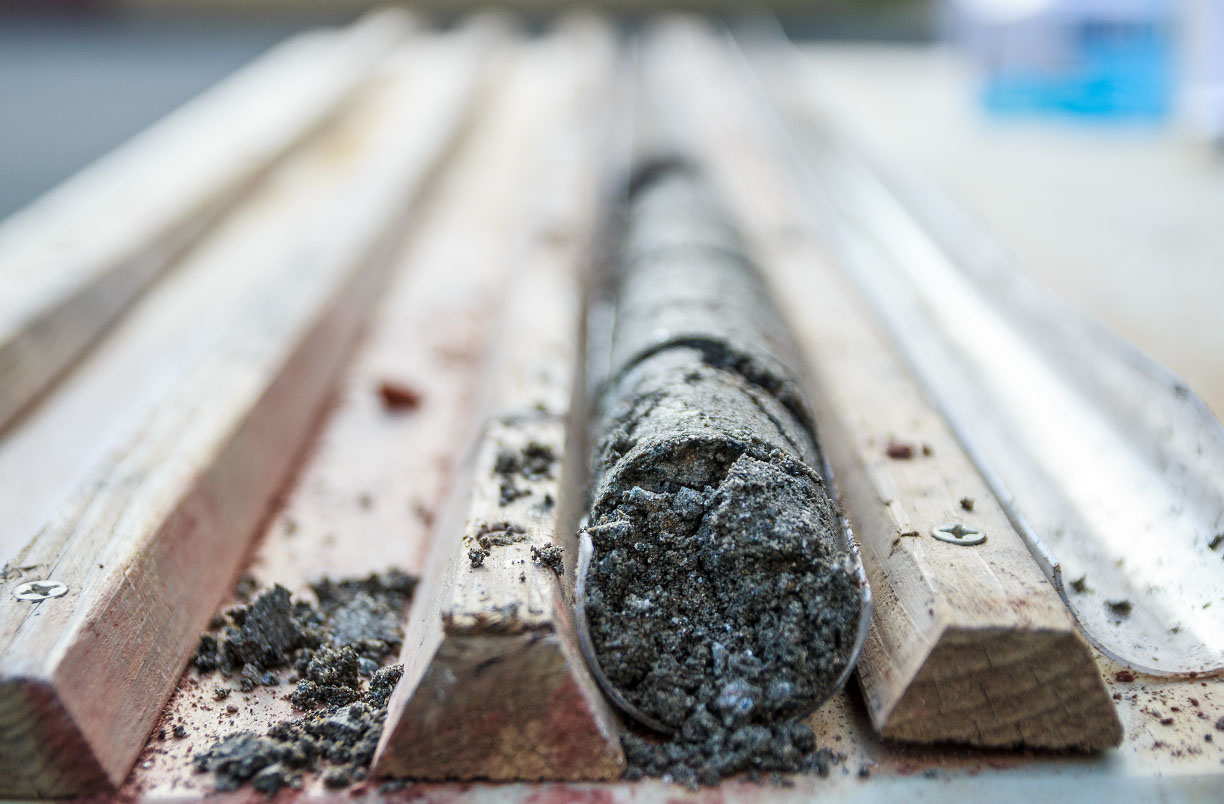
A treatability study is the practical starting point for most soil stabilization projects. Representative samples are tested to understand baseline TCLP results and to evaluate a dose range. The goal is to identify a practical additive rate that reduces leachable lead below the regulatory threshold without over-treating the soil. Treatability work also helps contractors plan product quantity, mixing method, equipment needs, confirmatory sampling, and landfill documentation.
A common mistake is to focus only on total lead. Total metals data can be useful for screening, health and safety planning, and understanding source material, but TCLP is the key test for hazardous waste classification. A project with high total lead may not always fail TCLP, and a project with concentrated soluble lead can create a disposal issue even when the total result is not the only concern.
Recommended Process
Field Mixing, Confirmatory Testing, and Disposal Planning
Review Soil and TCLP Data
Before work begins, gather coating or soil data, review TCLP history, confirm the intended waste stream, estimate volume, and decide who will coordinate sampling.
Plan the Stabilization Method
Soil may be mixed ex-situ in a treatment area or in-situ depending on the site plan, equipment, depth, volume, moisture, and access.
Mix and Collect Representative Samples
For stabilization to perform, the reagent must be distributed through the soil mass. After mixing, representative samples are collected for confirmatory TCLP testing.
Confirm Disposal Acceptance
A waste stream that can be managed as non-hazardous after proper testing may reduce disposal burden, but contractors should never assume acceptance without lab results and landfill approval.
Technical Considerations
Long-Term Durability Matters
A low TCLP result is important, but long-term stability is also a key technical question. Multiple Extraction Procedure testing, or MEP, is used to evaluate stability under repeated acidic extraction. TDJ literature describes independent EPA, FHWA, and DoD evaluations showing that TDJ chemistries provided long-term immobilization and were not simply acting as pH buffers. That distinction is important for engineers who are evaluating stabilization as a durable remedy rather than a short-term pH adjustment.
A stabilization plan should also consider moisture, debris content, soil gradation, hot spots, and whether the work will be performed in a treatment cell or directly in the excavation area. These variables influence how consistently the chemistry can be distributed and how representative samples should be collected.
How Blastox® 215 Supports Soil Projects
Blastox® 215 is designed for heavy metal stabilization in soil, especially lead and cadmium, with enhanced or custom formulations available for other metals when appropriate. The chemistry is used in commercial and industrial remediation projects to reduce leachability, support TCLP compliance, and potentially allow treated soil to be managed through a Subtitle D non-hazardous disposal pathway. TDJ can help review analytical data, recommend treatability testing, and support field implementation planning.
Dose rate should not be guessed from total metals alone. TCLP results, contaminant distribution, soil conditions, and treatability data should guide the recommendation. Published dose ranges can support early estimating, but final project planning should be based on representative testing and technical review.
Contractor Checklist
Before work begins, gather coating or soil data, review TCLP history, confirm the intended waste stream, estimate volume, and decide who will coordinate sampling. The most important planning items are representative testing, the stabilization method, the disposal facility, and the documentation package needed for acceptance.
For owners, the benefit of stabilization is not only a lower disposal invoice. It can also reduce uncertainty during redevelopment, support landfill acceptance, and create a documented path for managing metal-impacted material. That is why engineers often evaluate stabilization when disposal cost, schedule, and liability are all important.
Common Questions
Frequently Asked Questions
How is lead-contaminated soil stabilization planned?
Most soil projects start with representative sampling and treatability testing. The results help determine dose range, mixing method, confirmatory TCLP testing, and disposal documentation.
Does excavation alone solve the lead disposal problem?
Not always. Excavation removes soil from the site, but the excavated material may still need stabilization if it fails TCLP or does not meet landfill acceptance requirements.
What does Blastox® 215 help with?
Blastox® 215 is used to reduce leachable metals in soil, especially lead and cadmium, so treated material can be retested and evaluated for the appropriate disposal pathway.
Ready to Discuss Your Project?
Request Technical Support for Heavy Metal Soil Stabilization
To review a soil remediation project, request a treatability study, or discuss TCLP results, visit www.blastox.com and contact the TDJ technical team.