

Blastox Resource Center
How Blastox® 215 Stabilizes Heavy Metal-Contaminated Soil
Learn how Blastox® 215 reduces lead and cadmium leachability, supports TCLP goals, and may lower disposal costs.
Heavy metal-contaminated soil may require treatment when leachable concentrations exceed applicable limits. Blastox® 215 is a complex calcium silicate chemistry that reduces lead and cadmium leachability.
When verified through testing, stabilization may support a non-hazardous disposal pathway and lower costs. Blastox® 215 does not remove metals; sampling, treatability testing, mixing, confirmation testing, and facility acceptance remain essential.
What Is Heavy Metal-Contaminated Soil?
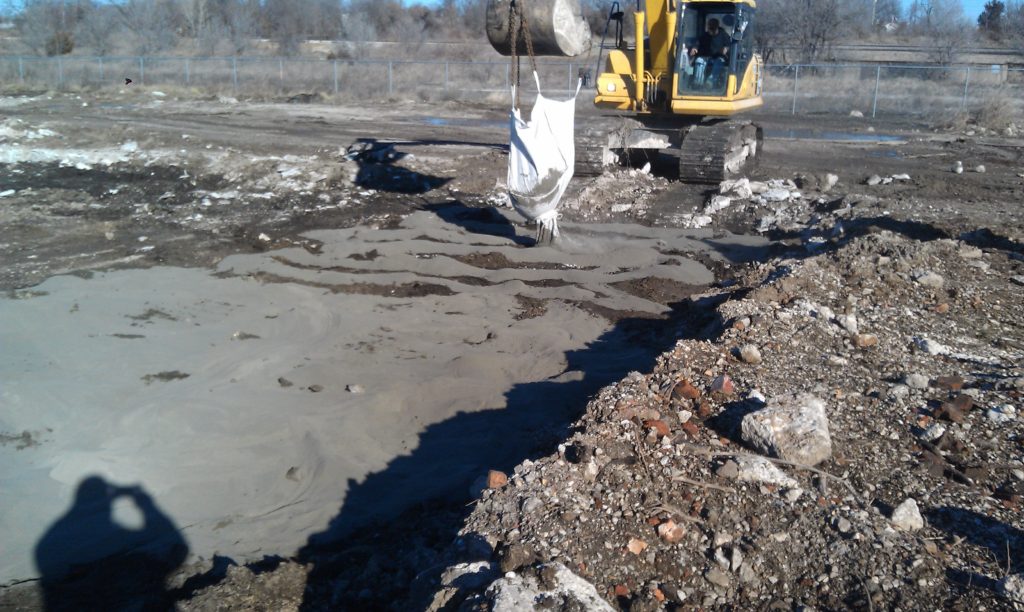
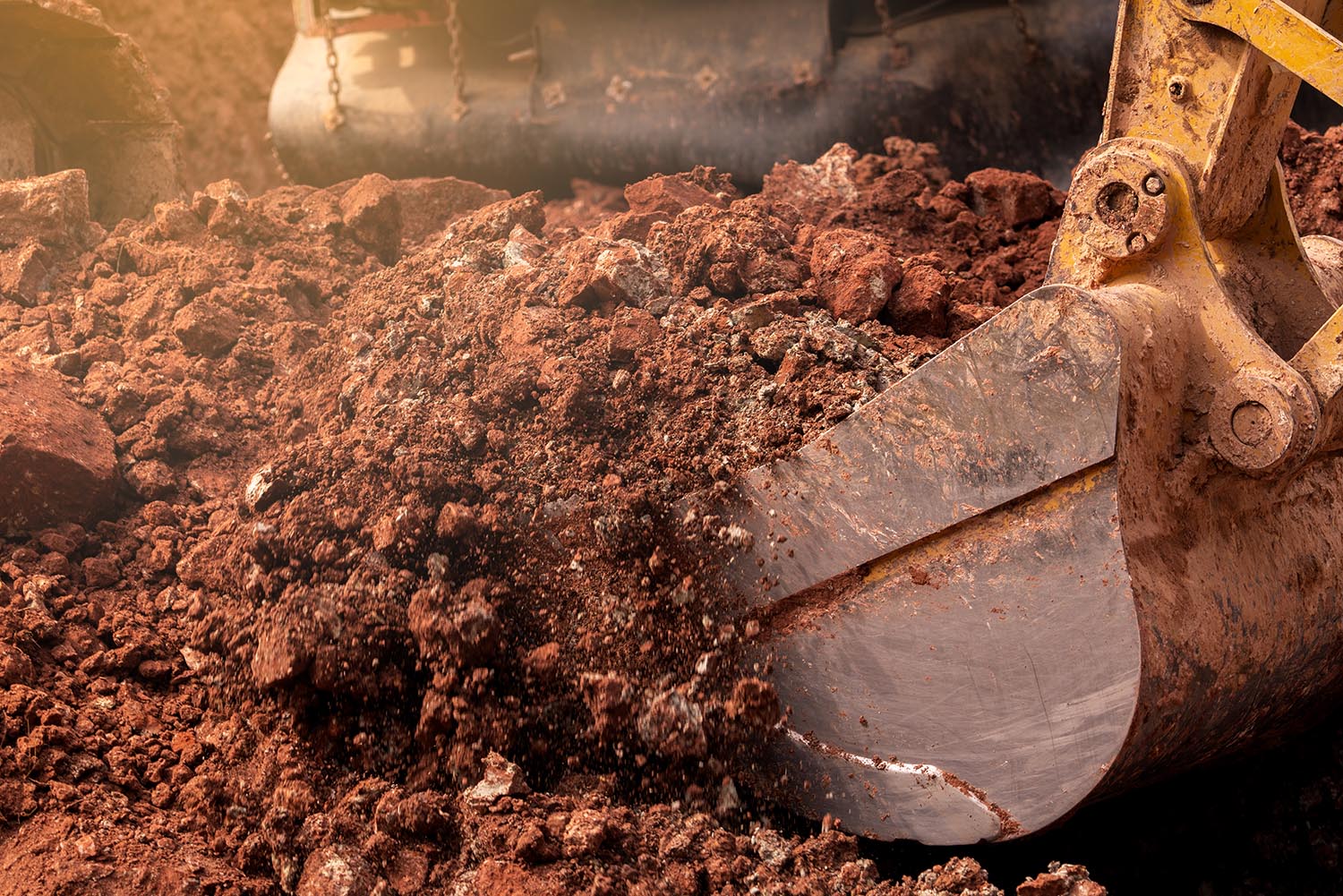
Heavy metal-contaminated soil may result from industrial operations, firing ranges, demolition, waste disposal, or historical land use.
Total Metals and Leachable Metals Are Different
Total metals analysis measures how much metal is present. Leachability testing measures how readily it may migrate under specified test conditions.
Total concentration alone does not establish leaching behavior. The Toxicity Characteristic Leaching Procedure (TCLP) helps characterize waste for disposal. For lead, a result of 5.0 mg/L or greater can indicate a hazardous waste characteristic under federal criteria, subject to the complete regulatory context.
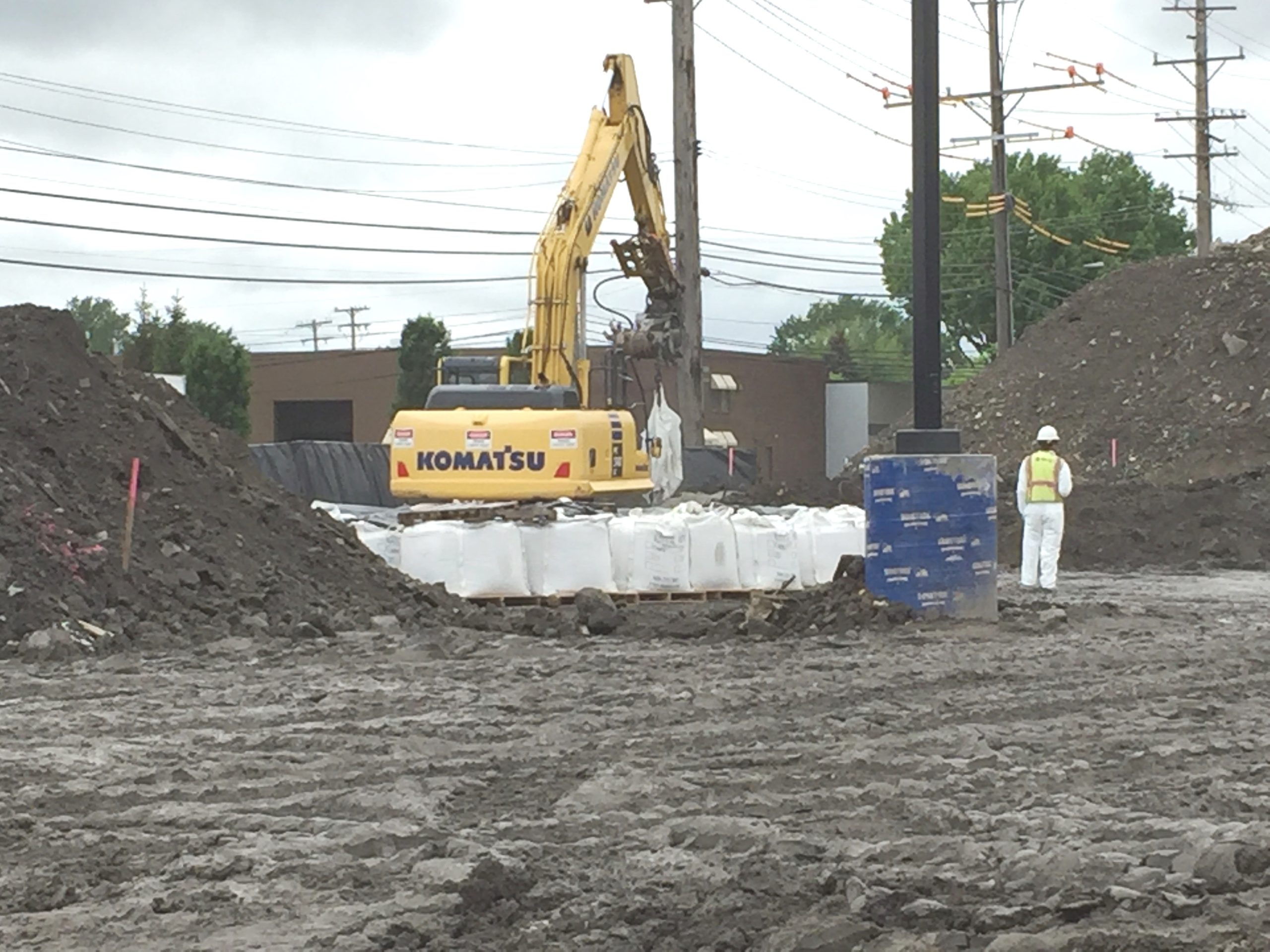
Stabilization Chemistry
How Does Blastox® 215 Work?
Answer: Blastox® 215 does not remove heavy metals from soil. It modifies the waste matrix to reduce metal solubility and leachability.
Three mechanisms support stabilization: an alkaline matrix that helps metals resist acidic leaching, conversion of lead into less-soluble silicate forms, and physical encapsulation that limits water contact.
TDJ chemistries have also been evaluated using the Multiple Extraction Procedure (MEP), which uses repeated acid-extraction cycles to assess long-term stability beyond temporary pH adjustment.
Review the Blastox® stabilization researchKey Takeaways
What Project Teams Should Know
Stabilization requires project data, consistent mixing, confirmation testing, and landfill acceptance.
Stabilization Is Not Removal
Blastox® 215 reduces leachability. It does not eliminate the total amount of metal in the soil.
Dose Rate Must Be Verified
Soil conditions, contaminant distribution, and untreated leachability affect treatment requirements.
Acceptance Is Project-Specific
Confirmatory test results and receiving-facility approval are required before selecting the final disposal pathway.
Project Support
Turn Soil Data Into a Treatment Plan
Submit analytical data, estimated soil volume, and project details for technical review.
Cost and Compliance
Can Stabilization Reduce Disposal Costs?
Stabilization may reduce cost when testing supports a less costly pathway, potentially lowering landfill, transportation, and hazardous waste management expenses.
Savings depend on dosage, soil volume, mixing, testing, transportation, disposal rates, confirmatory results, and landfill acceptance.
Compare installed treatment cost with hazardous disposal. A treatability study evaluates performance and supports reagent estimates.
Recommended Process
Six Steps in a Blastox® 215 Soil Stabilization Project
Characterize the Soil
Collect representative samples and evaluate total-metal and leachable-metal results.
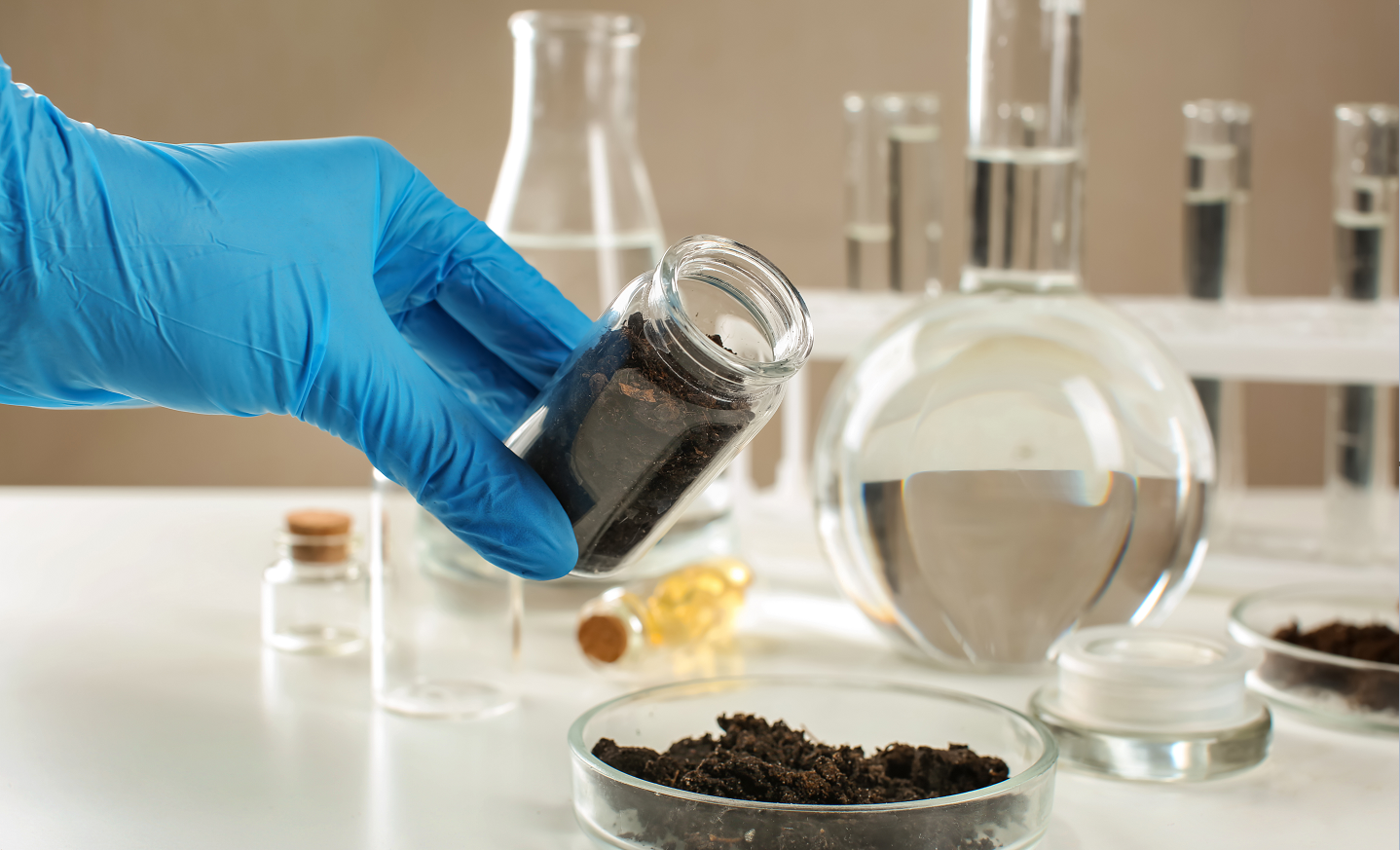
Complete a Treatability Study
Test project soil to evaluate performance and establish a starting dose.
Plan the Application
Calculate soil mass, reagent quantity, treatment areas, equipment needs, and the mixing method.
Mix Thoroughly
Apply Blastox® 215 and distribute it consistently with suitable field equipment.
Perform Confirmation Testing
Collect representative post-treatment samples for TCLP or other specified testing.
Confirm the Disposal Pathway
Coordinate results and documentation with the receiving facility before shipment.
Blastox® 215
When Should Blastox® 215 Be Considered?
Consider Blastox® 215 when lead or cadmium leachability affects soil management, disposal, or cost. Enhanced formulations may address other metals after technical review.
Dose requirements vary by leachability, soil conditions, contaminant distribution, and project objectives. Use analytical data and treatability results.
Important Project Limitations
Blastox® 215 does not replace sampling, regulatory review, worker protection, dust control, or receiving-facility approval. It does not guarantee classification or acceptance.
Establish performance with project soil and confirm it after field treatment. Complex matrices, mixed contaminants, debris, or variable hot spots may need additional evaluation.
Common Questions
Frequently Asked Questions
Does Blastox® 215 remove lead from soil?
No. Blastox® 215 stabilizes lead by reducing its solubility and leachability. The total amount of lead in the soil does not disappear.
Is total lead the same as TCLP lead?
No. Total lead measures how much lead is present, while TCLP measures the concentration that leaches from the material under specified laboratory conditions.
Does treatment guarantee non-hazardous disposal?
No. The disposal pathway must be supported by appropriate post-treatment testing and acceptance from the receiving facility.
Why is a treatability study important?
A treatability study evaluates how representative project soil responds to stabilization and helps establish a practical starting dose before field treatment.
Ready to Discuss Your Project?
Turn Your Soil Data Into a Project-Specific Treatment Plan
Submit analytical results, estimated volume, and project details for review.
TDJ can determine whether a Blastox® 215 treatability study is an appropriate next step.
For more information on this amazing product click: Blastox® 215
If you need any more information feel free to contact us at 847-639-1113