


Blastox Resource Center
Screened Fines in Firing Range Soil: Why They Matter for TCLP and Disposal
Learn how screened fines can affect TCLP lead results, waste classification, disposal planning, and Blastox® 215 stabilization review during firing range remediation.
Screened fines from firing range soil can become the most important waste stream in a berm remediation or lead reclamation project. Even after visible bullets and larger metallic fragments are removed, the remaining fine fraction may contain small lead particles, oxidized compounds, and weathered impact-zone material that can influence Toxicity Characteristic Leaching Procedure results.
These fines should not be treated as an ordinary soil byproduct. Their particle size and composition may cause them to behave differently from coarse berm material, recovered metal, or untreated bulk soil.
For contractors, consultants, range owners, and public agencies, the central question is whether the actual material being shipped, reused, or treated will pass TCLP testing. Representative sampling must therefore match the screened fines waste stream rather than a visually cleaner or coarser portion of the berm.
For lead, a TCLP result at or above 5.0 mg/L may cause the material to be regulated as hazardous waste under applicable RCRA requirements. Early testing helps the project team evaluate stabilization, confirmatory sampling, landfill acceptance, transportation, and disposal cost before field work is complete.
A clear screened-fines management plan can reduce the risk of late test failures, rejected loads, rehandling, and unexpected hazardous disposal requirements.
Stabilization Strategy
How Blastox® 215 Fits Screened Fines Review
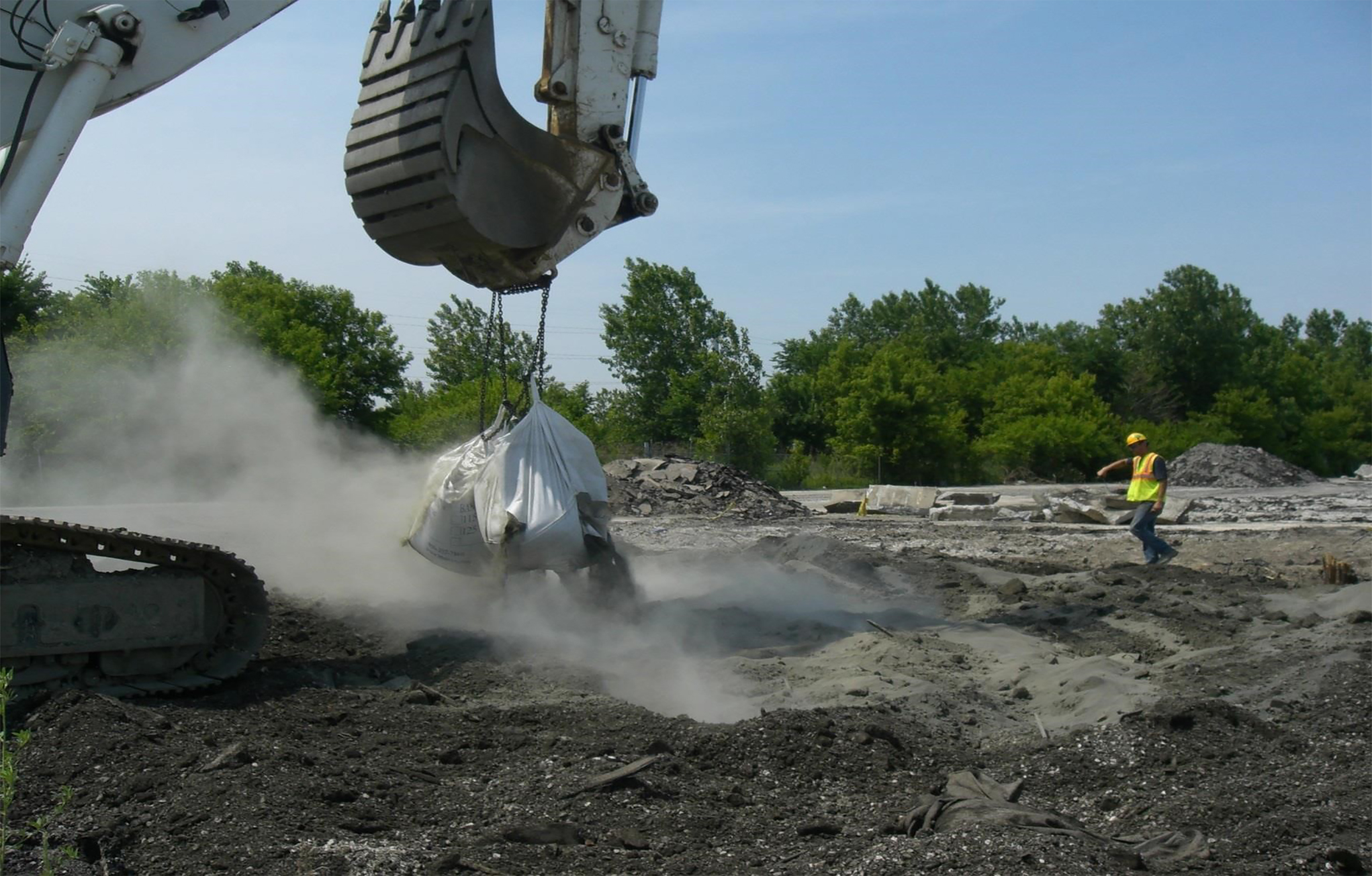
Blastox® 215 is TDJ Group’s complex calcium silicate chemistry for stabilizing heavy metals in soil and waste. On firing range projects, it may be evaluated for screened fines, bullet-pocket material, backstop soil, or post-reclamation residuals that continue to leach lead.
The product does not remove or reclaim lead. It is used to reduce leachability through an alkaline waste matrix, conversion of soluble lead compounds into less soluble lead silicates, and micro and macro encapsulation that limits water access. Treatability testing is used to evaluate product fit before full-scale treatment.
Learn more about Blastox solutionsMaterial Definition
What Are Screened Fines?
Screened fines are the smaller particles that pass through screening equipment during berm maintenance, bullet recovery, or firing range remediation. They can originate from berm faces, backstops, impact zones, shotfall areas, or stockpiled range soil.
Screened fines commonly include:
- Fine soil, silt, clay, and impact-zone dust
- Small metallic lead fragments and weathered projectile particles
- Oxidized lead compounds and soil particles coated with lead-bearing material
- Residual material remaining after larger lead fragments are recovered
The exact composition depends on ammunition history, soil type, moisture, weathering, screening equipment, and the sequence of reclamation work. A fine fraction from a heavily used bullet pocket may have a different TCLP result than coarse soil from another portion of the range.
Because disposal decisions are based on the waste actually being managed, screened fines should be tracked separately whenever they will be stockpiled, treated, blended, reused, or shipped as their own material stream.
Evaluation Process
A Practical Path for Screened Fines Review
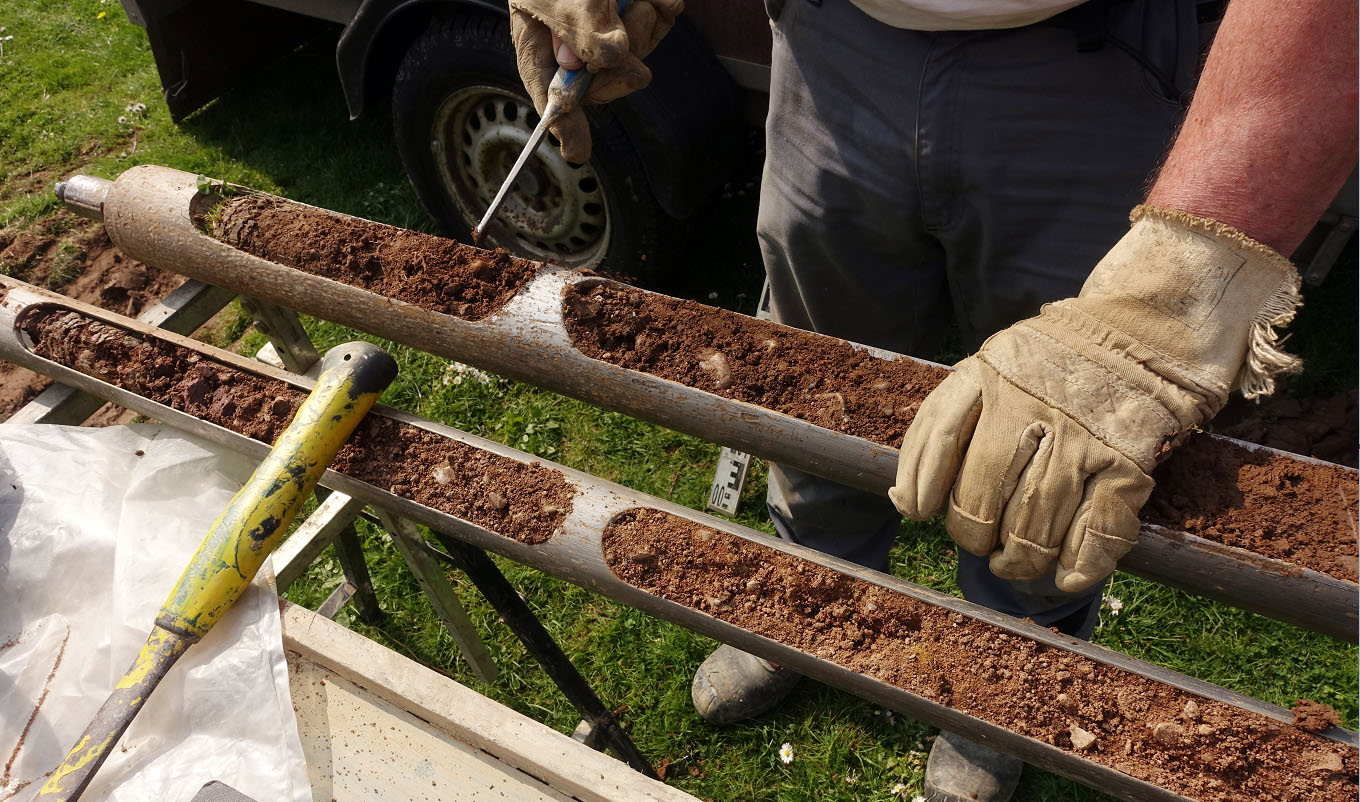
Start by defining the material stream. Determine whether the sample represents pre-reclamation soil, post-reclamation fines, a bullet-pocket hot spot, or a blended stockpile. Then collect representative samples and review both TCLP and total-metals data before selecting a treatment or disposal pathway.
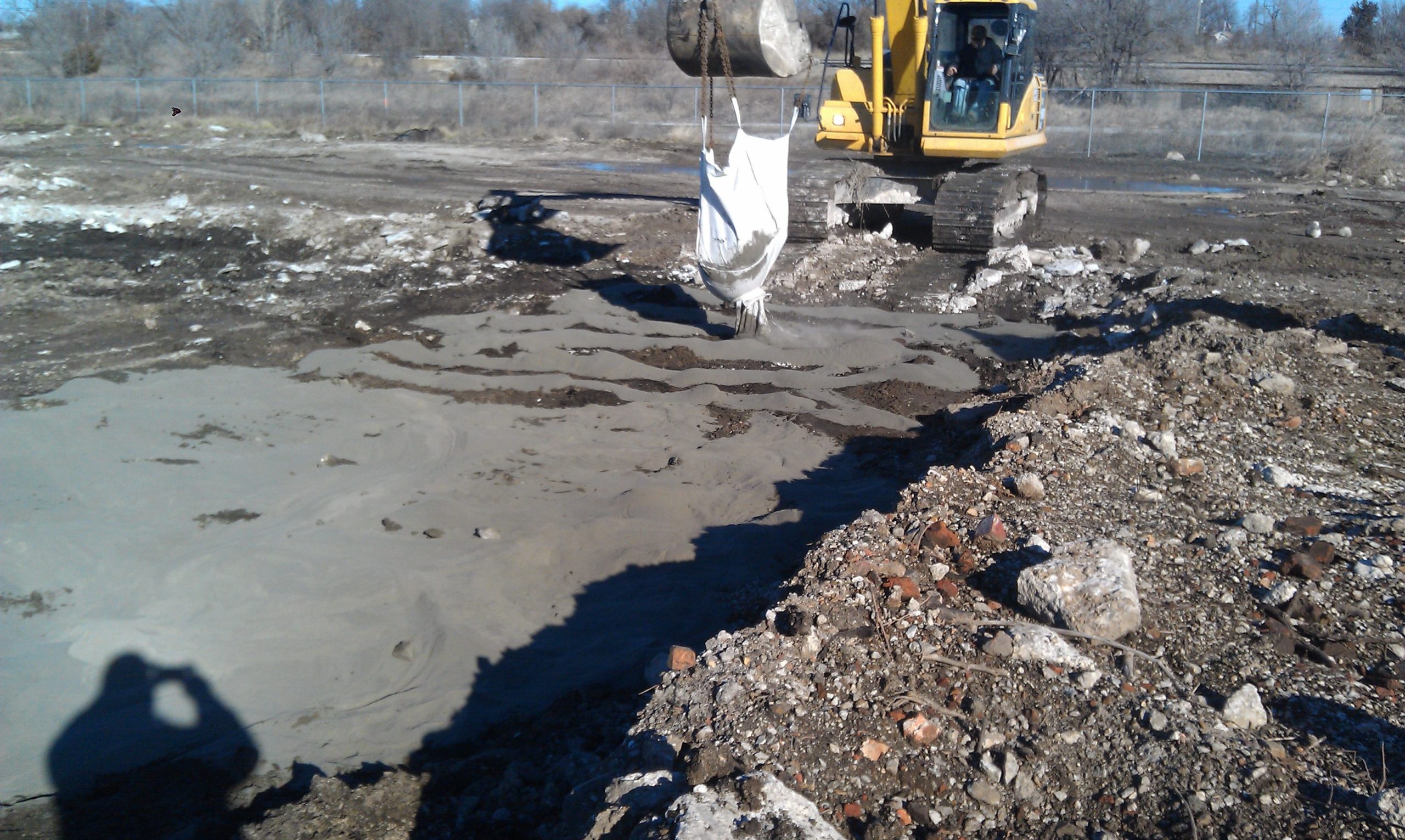
When TCLP lead is elevated, the project team can evaluate Blastox® 215 treatability testing, field mixing requirements, confirmatory TCLP sampling, and receiving-facility documentation before material is shipped.
Analytical Review
TCLP Testing for Screened Fines
TCLP, EPA Method 1311, evaluates how much lead and other regulated contaminants can leach from a waste under defined acidic extraction conditions. It is not the same as total lead testing, which measures how much lead is present in the material.
For screened fines, TCLP results can affect hazardous versus non-hazardous waste classification, treatment planning, landfill profiling, transportation, bid assumptions, and project closeout.
For lead-contaminated firing range soil, TCLP testing can affect:
- Test the final waste stream, not only the original bulk berm soil.
- Separate visibly different hot spots or material zones when appropriate.
- Use confirmatory TCLP testing after stabilization and field mixing.
- Coordinate sampling and acceptance requirements with the receiving landfill.
A passing post-treatment TCLP result may support a non-hazardous disposal pathway, subject to applicable requirements and landfill acceptance. A passing result alone does not obligate a facility to accept the material, so disposal coordination should begin early.
Stabilization Chemistry
Where Blastox® 215 Fits
Blastox® 215 is designed for heavy metal stabilization in contaminated soil and waste. It may be considered when screened fines remain above the TCLP lead threshold after reclamation or when hazardous disposal costs and generator requirements create a significant project concern.
TDJ Group typically reviews project analytical data and representative samples through a treatability study. The purpose is to determine whether the chemistry can reduce leachable lead and to establish an appropriate project-specific dosage range without relying on field guesswork.
Blastox® 215 supports stabilization through three safeguards:
- Creation of an alkaline waste matrix that reduces acidic metal dissolution
- Chemical conversion of more soluble lead compounds into less soluble lead silicates
- Micro and macro encapsulation that limits water infiltration and leaching
Full-scale performance still depends on accurate soil-mass calculations, even product distribution, thorough mixing, representative confirmatory sampling, TCLP testing, and receiving-facility approval. Blastox® 215 is a stabilization chemistry; it does not provide excavation, lead recovery, hauling, or landfill services.
Summary
The Bottom Line
Screened fines can control the regulatory and economic outcome of a firing range remediation project. Recovering visible lead does not automatically make the remaining fine soil non-hazardous, because small particles and weathered compounds may continue to release lead during TCLP extraction.
The most reliable approach is to identify the final waste stream, keep materially different fractions organized, collect representative samples, review TCLP and total-metals data, and coordinate treatment and landfill requirements before shipment.
When screened fines create a leachable-lead concern, Blastox® 215 can be evaluated through a treatability study. TDJ Group provides technical review to help contractors, engineers, lead reclamation firms, agencies, and range owners determine whether stabilization should be incorporated into the project plan.
Submit available analytical results, estimated tonnage, reclamation status, material descriptions, project schedule, and disposal requirements through www.blastox.com to request a screened-fines stabilization review.
Common Questions
Frequently Asked Questions
What are screened fines in firing range soil?
Screened fines are the smaller soil particles that pass through screening equipment during range berm maintenance, lead reclamation, or remediation work. They may contain fine lead particles, oxidized compounds, and impact-zone material.
Why do screened fines matter for TCLP testing?
Screened fines matter because small particles and weathered lead compounds can contribute to lead leachability. They may fail TCLP even after larger metallic fragments are recovered.
Should screened fines be tested separately?
Screened fines should be tested separately when they represent the material being disposed of, treated, or managed as a separate waste stream.
Does lead reclamation make screened fines non-hazardous?
Not automatically. Lead reclamation can recover metallic fragments, but screened fines may still contain leachable lead that requires TCLP review.
Can Blastox® 215 be used on screened fines?
Blastox® 215 may be evaluated for screened fines when the material creates a leachable lead concern and requires stabilization review before disposal.
Does Blastox® 215 remove lead from screened fines?
No. Blastox® 215 does not remove lead. It stabilizes lead to reduce leachability in contaminated soil or waste material.
What should be submitted for a Blastox® 215 screened fines review?
Submit TCLP results, total metals data, estimated screened fines volume, material description, reclamation status, treatment method, disposal facility information, project schedule, and representative samples if available.
Ready to Discuss Your Project?
Get Help Evaluating Screened Fines for Stabilization Review
Contact TDJ Group to discuss screened fines, TCLP testing, treatability review, and disposal planning for firing range remediation projects.