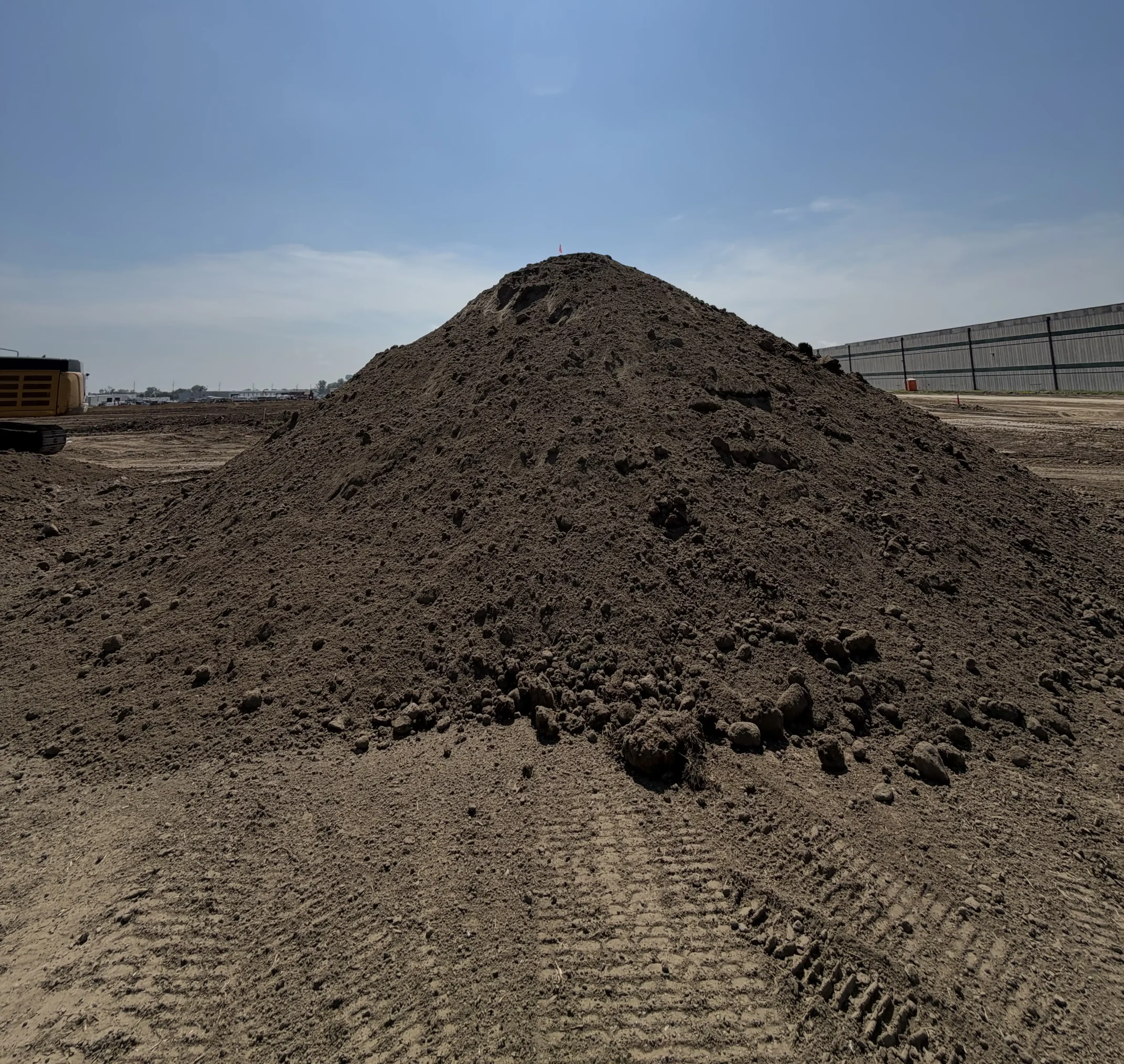


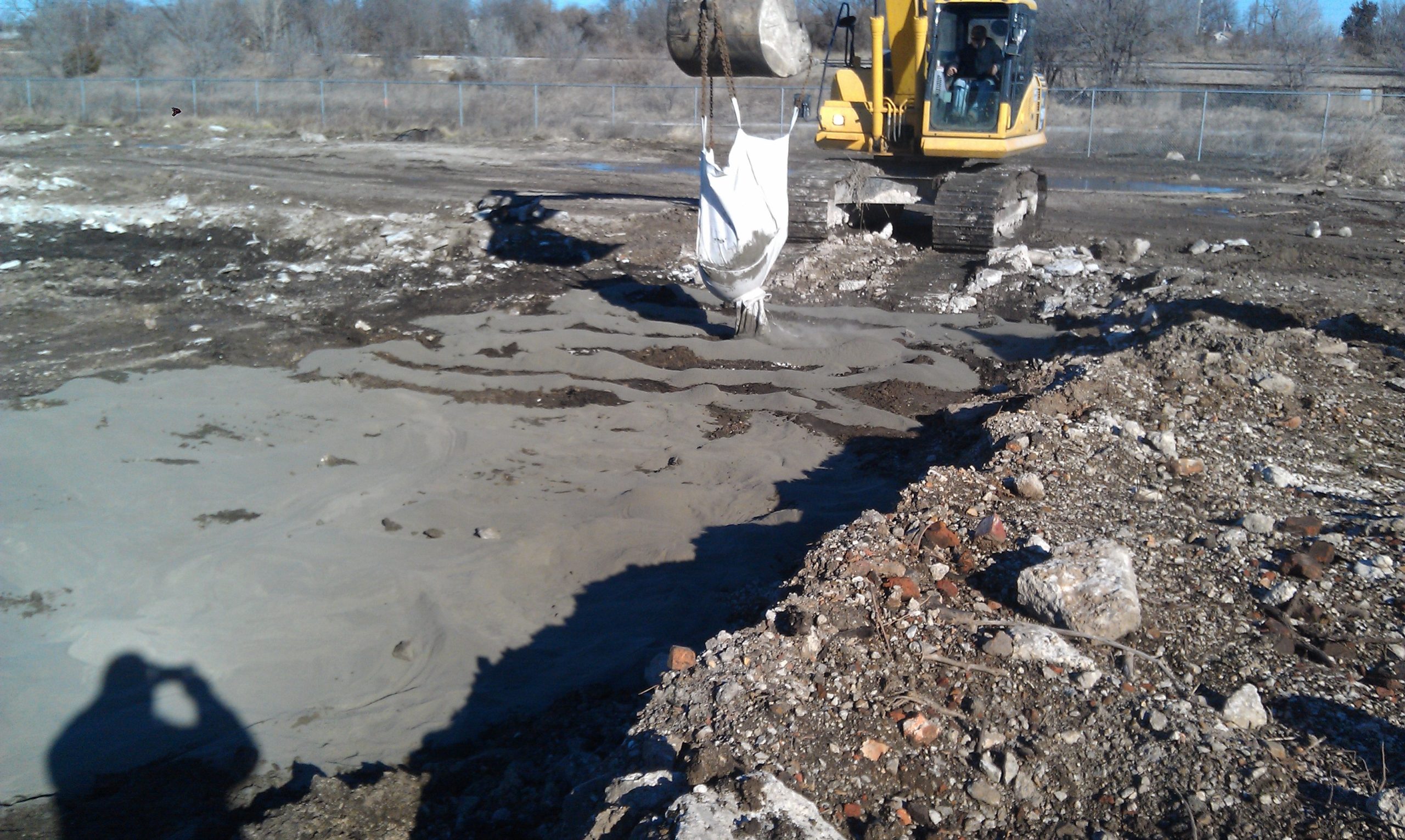
Excavation equipment working at a soil remediation site

Blastox® 215 Soil Remediation Case Study

Warehouse Development Site – Lead Soil Stabilization

More than 4,400 cubic yards of lead-contaminated soil were successfully stabilized at a cold storage warehouse development site in Sioux City, Iowa using Blastox® 215.

Sioux City, Iowa Lead-Contaminated Soil Blastox® 215
4,400+ Cubic yards of contaminated soil
10 mg/L Approximate untreated TCLP lead
5.5% Selected field admixture rate
BDL Treatability test result

Project Overview

Stabilizing Lead-Contaminated Soil Before Warehouse Construction

Environmental due diligence for a cold storage warehouse development in Sioux City, Iowa identified lead contamination in soil associated with a former shooting range.

Lead concentrations varied significantly across the site, and testing identified soil with lead leachability above the TCLP threshold. Before warehouse construction could proceed, the targeted soil required remediation.

Blastox® 215 was selected to stabilize the lead-contaminated soil on site. Treatability testing was performed to establish an effective dosage before full-scale stabilization began.

Treatability Testing

From 10 mg/L to Below Detection Limits

Prior to field application, treatability testing was conducted using Blastox® 215 to establish an effective soil stabilization dosage.

Before Treatment ~10 mg/L TCLP lead

Untreated material exhibited a TCLP lead concentration of approximately 10 mg/L, roughly twice the federal hazardous waste toxicity characteristic threshold of 5.0 mg/L.

After 5% Treatability Test BDL Below Detection Limits

At a 5% Blastox® 215 dosage, treatability testing reduced the material’s TCLP lead result from approximately 10 mg/L to below detection limits.

5% → 5.5%

Why Was the Field Dosage Increased?

While the 5% dosage successfully treated soil to below the hazardous threshold, variations in lead concentrations across the site remained a concern because the treated soil would stay on site rather than be transported off site for disposal.

To account for this variability, the project team elected to increase the full-scale field admixture rate to 5.5% Blastox® 215.

The Project Story

From Site Investigation to Successful Stabilization

Explore the four major stages of the Sioux City warehouse development soil remediation project.

The Challenge

Varying Lead Concentrations Across the Site

Initial testing showed significant variation in total lead concentrations throughout the project area. Because contamination levels were not uniform, the client needed a stabilization approach capable of addressing the range of lead concentrations encountered within the targeted soil.

4,400+ Cubic yards of lead-contaminated soil
Full-Scale Application

Field Stabilization Approach

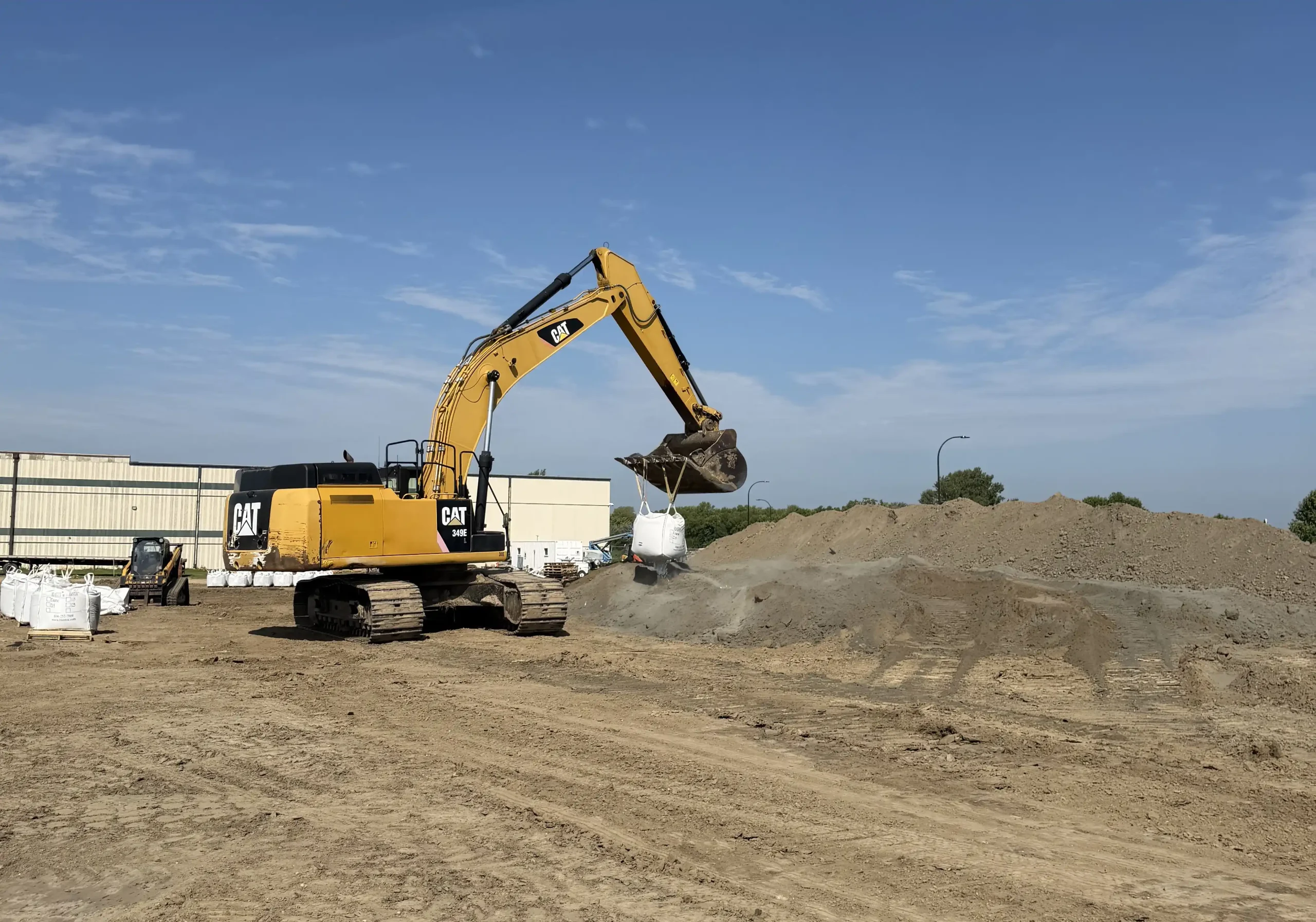
Blastox® 215 was blended into the targeted lead-contaminated soil at the selected 5.5% admixture rate.

JCE supported the project through treatability testing, dosage recommendations, and technical consultation. This included an on-site meeting with the earthwork contractor to discuss the blending and remediation approach.

01 4,400+

Cubic yards of contaminated soil treated

02 388

Approximate tons of Blastox® 215 used

03 19

Truckloads delivered for the stabilization effort

Project Insight

Why Treatability Testing Matters

The dosage used in the field should be based on actual project conditions and treatability results rather than a one-size-fits-all approach.

The treatability study demonstrated successful treatment at 5% through laboratory analysis. However, because lead concentrations varied widely across the site, the project team elected to use 5.5% during full-scale stabilization.

The increased field admixture rate accounted for variations in lead concentrations, particularly because treated soils would remain on site rather than be hauled away for disposal.

Learn About Blastox® 215 Treatability Testing

Stabilization Chemistry

How the Blastox® 215 Process Works

Blastox® 215 is blended directly into contaminated soil at the dosage established through treatability testing. Once thoroughly mixed, its complex calcium silicate chemistry works through multiple stabilization mechanisms to reduce lead leachability.

01

Alkaline Waste Matrix

Blastox® 215 creates an alkaline waste matrix that reduces heavy-metal solubility.

02

Chemical Conversion

The chemistry converts soluble lead compounds into less-soluble lead silicates.

03

Micro- and Macro-Encapsulation

Encapsulation mechanisms help limit water access to the treated material and reduce subsequent leaching.

04

Confirmatory TCLP Testing

After treatment, representative samples can be collected for confirmatory TCLP testing to verify that lead leachability has been reduced to the desired concentration.

Project Data

Warehouse Development Project at a Glance

Location Sioux City, Iowa
Site Use Cold storage warehouse development
Historical Site Condition Former shooting range
Contaminant Lead
Pre-Treatment TCLP Approximately 10 mg/L
Post-Treatment TCLP Non-detect during treatability testing
Treatability Dosage 5% Blastox® 215
Treatability Result Below Detection Limits (BDL)
Selected Field Dosage 5.5% to account for variability
Soil Volume 4,400+ cubic yards
Blastox® 215 Used Approximately 388 tons
Deliveries 19 truckloads
Final Outcome Successful stabilization of targeted soil

Project Outcome

Successful Lead Stabilization

Following completion of the field stabilization work, the client confirmed that all of the targeted soil stabilization was successful.

Treatability testing demonstrated an untreated TCLP lead concentration of approximately 10 mg/L, roughly twice the federal hazardous waste toxicity characteristic threshold.

At a 5% Blastox® 215 dosage, laboratory testing reduced lead leachability to below detection limits. The project team then selected a 5.5% field admixture rate to account for variations in lead concentrations across the site.

The successful laboratory results provided the technical basis for the site remediation plan. Following successful stabilization of the targeted soil, the planned warehouse construction was able to proceed.

Evaluate Your Project

Have Lead-Contaminated Soil That Is Failing TCLP?

Every contaminated soil project has different soil characteristics, contaminant concentrations, physical limitations, and remediation challenges.

Treatability testing can help establish an appropriate Blastox® 215 dosage before full-scale remediation begins, supporting a cost-effective and successful cleanup.