

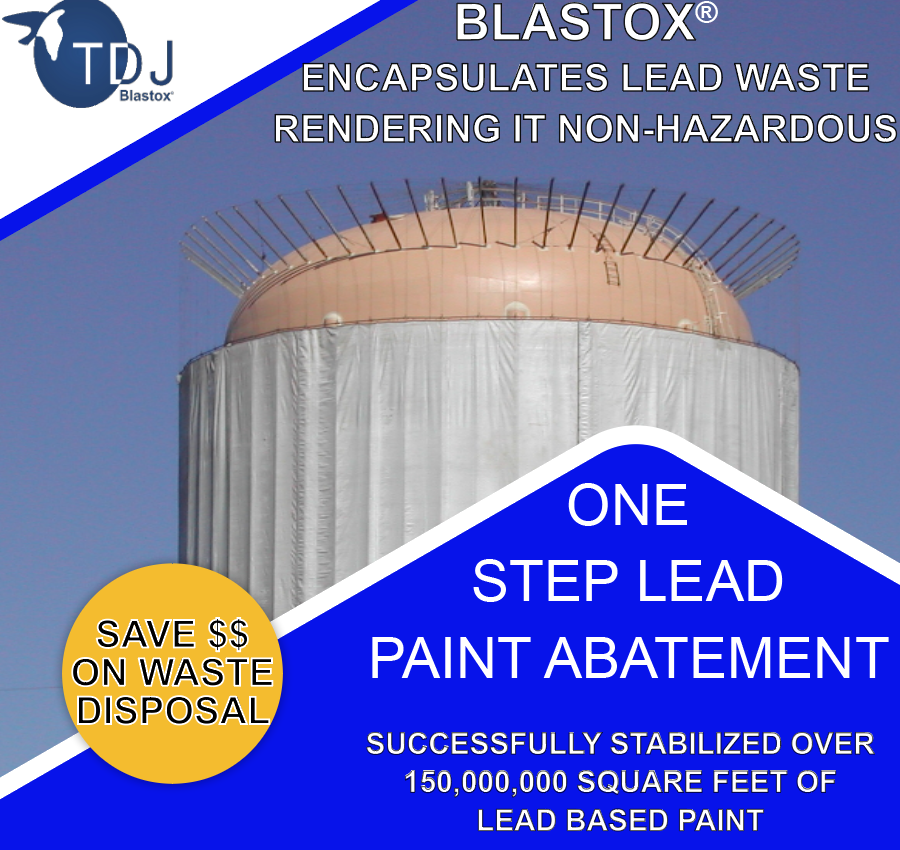
How to Dispose of Lead Paint Waste Using Blastox Blended Abrasive
Knowing how to dispose of lead paint waste is critical for contractors, facility owners, and environmental professionals. Lead-based paint waste is highly regulated due to the serious health and environmental risks associated with lead exposure. Improper handling or disposal can result in regulatory violations, project delays, and long-term liability.
The good news is that modern lead paint removal methods—when paired with proven stabilization technologies—can simplify compliance, protect the environment, and significantly reduce disposal costs. This guide explains how lead paint waste is generated, how it must be classified, and why Blastox® blended abrasives are widely recognized as the best option for rendering lead paint waste non-hazardous.
Why Proper Lead Paint Waste Disposal Matters
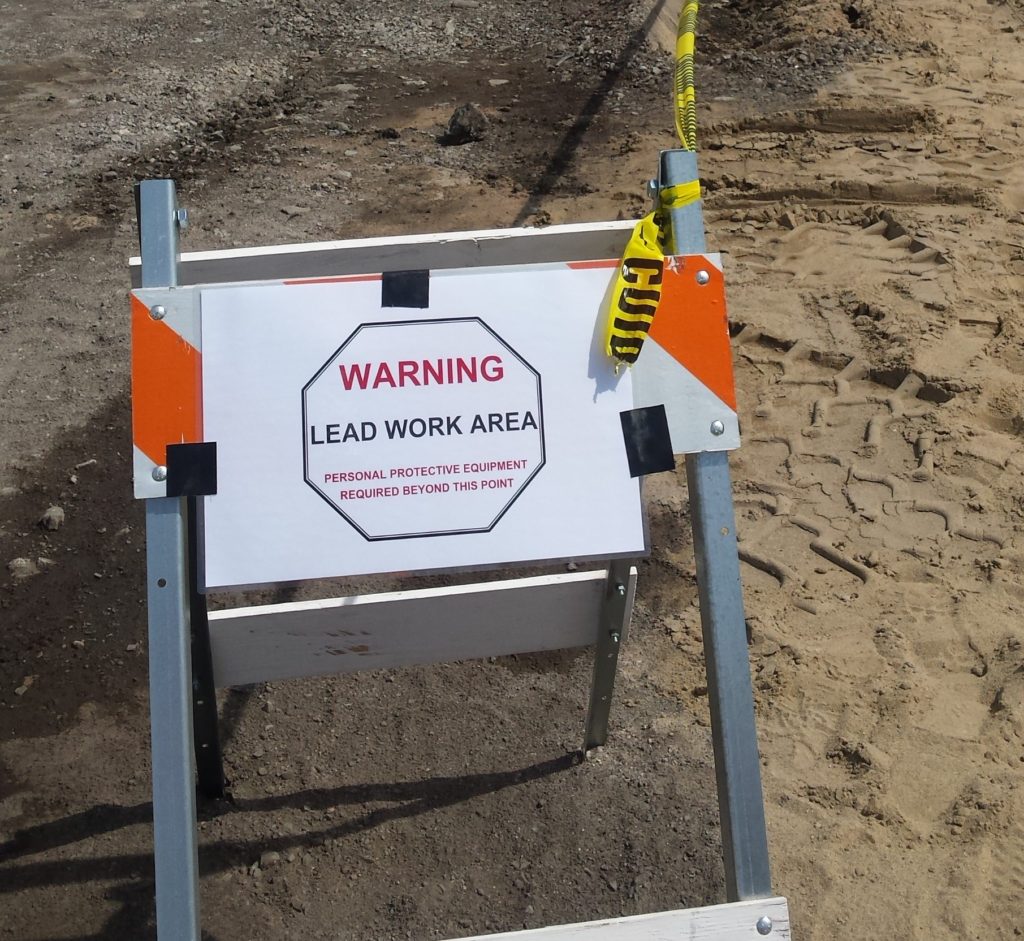
Lead paint waste is generated during removal activities such as abrasive blasting, grinding, or mechanical surface preparation. Once removed, the paint debris, dust, and spent abrasive media often contain elevated levels of leachable lead.
If lead paint waste is not properly treated:
- Lead can leach into soil and groundwater
- Workers and surrounding communities face exposure risks
- Waste may be classified as hazardous under federal and state regulations
Understanding how to dispose of lead paint waste starts with understanding how it is regulated.
Step 1: Determine If Lead Paint Waste Is Hazardous
In the United States, lead paint waste is regulated under the Resource Conservation and Recovery Act (RCRA). The EPA uses the Toxicity Characteristic Leaching Procedure (TCLP) to determine whether waste is hazardous.
- If lead leaches at 5.0 mg/L or higher, the waste is classified as hazardous
- Hazardous waste must be disposed of in a permitted hazardous waste landfill
- This results in higher disposal costs, limited landfill availability, and increased liability
Traditional lead paint removal methods often generate hazardous waste—unless stabilization is performed.
Step 2: Understand the Lead Paint Removal Process
Before discussing disposal, it’s important to understand how lead paint waste is created.
Common lead paint removal methods include:
- Abrasive blasting
- Mechanical grinding or sanding
- Chemical stripping
Abrasive blasting is one of the most efficient methods for large-scale projects, but it also produces the highest volume of lead-contaminated waste. Without treatment, this waste almost always fails TCLP testing.
This is where Blastox® blended abrasives fundamentally change how to dispose of lead paint waste.
Step 3: Stabilize Lead Paint Waste at the Point of Impact
The safest and most effective way to dispose of lead paint waste is to stabilize the lead during removal, rather than trying to treat the waste afterward.
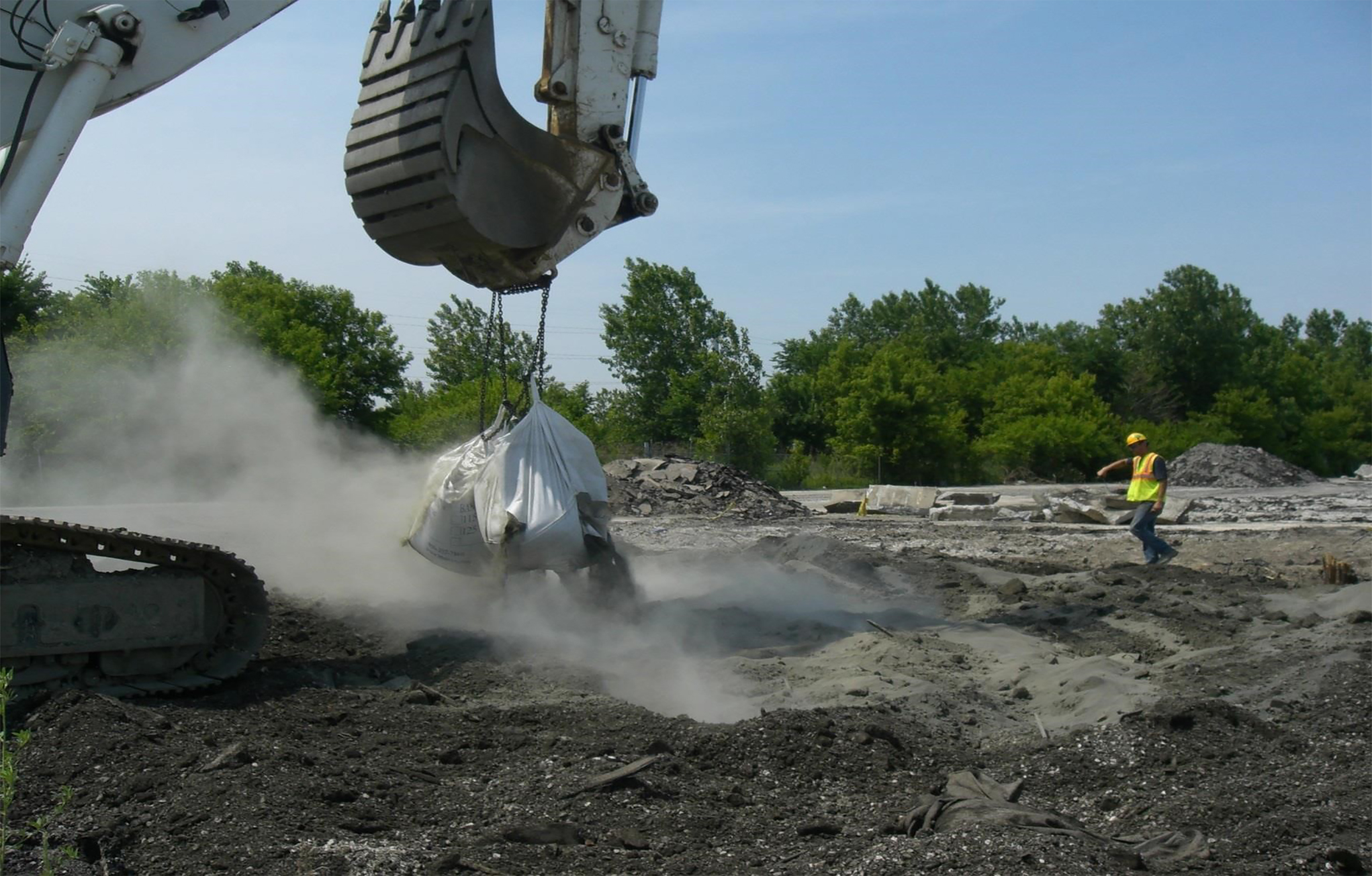
Blastox® is a proprietary calcium silicate-based additive that is pre-blended with abrasive media before it arrives at the job site. During blasting, Blastox® reacts with lead at the moment the paint is removed.
How Blastox® Works
Blastox® uses multiple safeguards to immobilize lead:
- Chemical Conversion
Lead compounds are converted into insoluble lead silicates, which are far less likely to leach. - Encapsulation
Hydration reactions physically encapsulate lead particles, limiting water contact. - pH Control (Not Just Buffering)
Unlike simple lime or oxide-based products, Blastox® does more than raise pH. Independent EPA testing has confirmed that lead remains immobilized even under highly acidic conditions.
The result is lead paint waste that consistently passes TCLP testing and qualifies as non-hazardous waste.
Step 4: Test and Classify the Spent Abrasive Waste
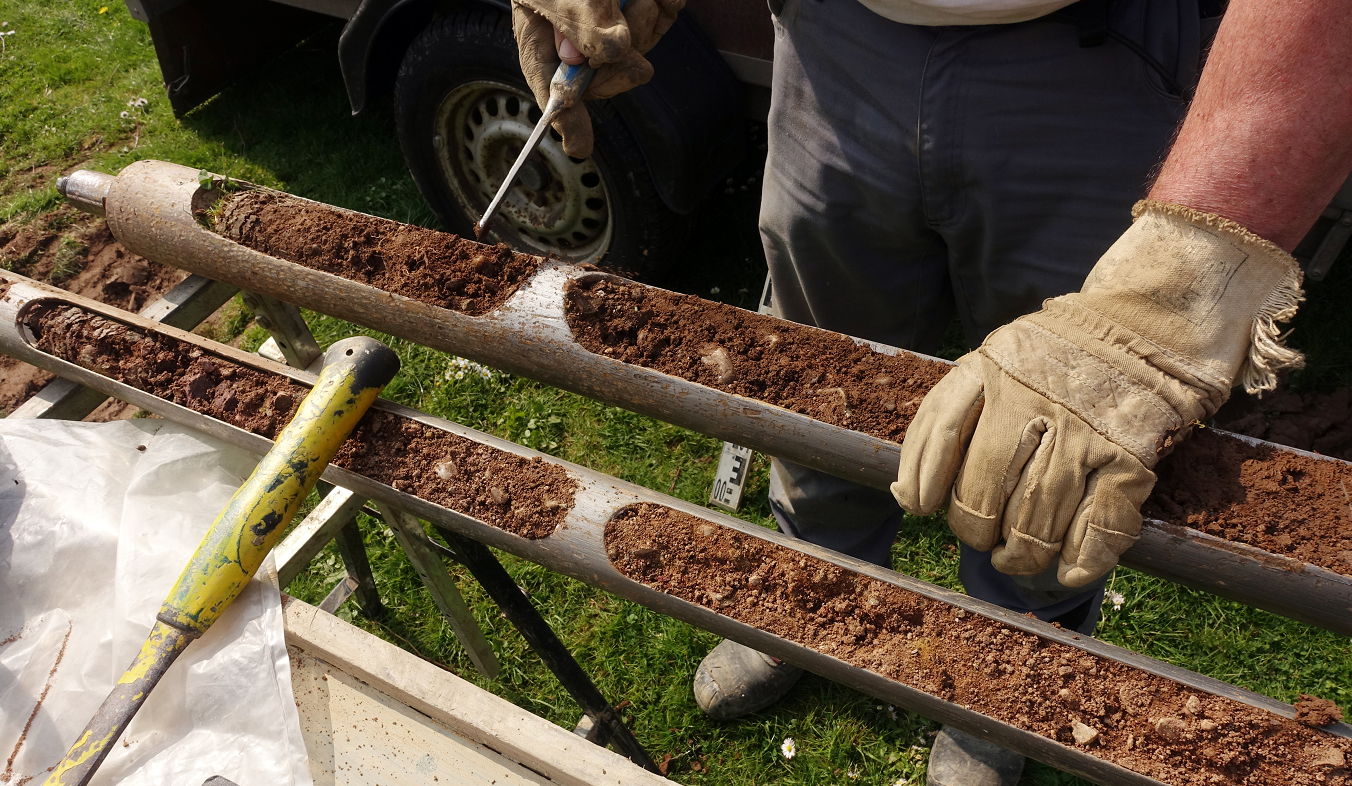
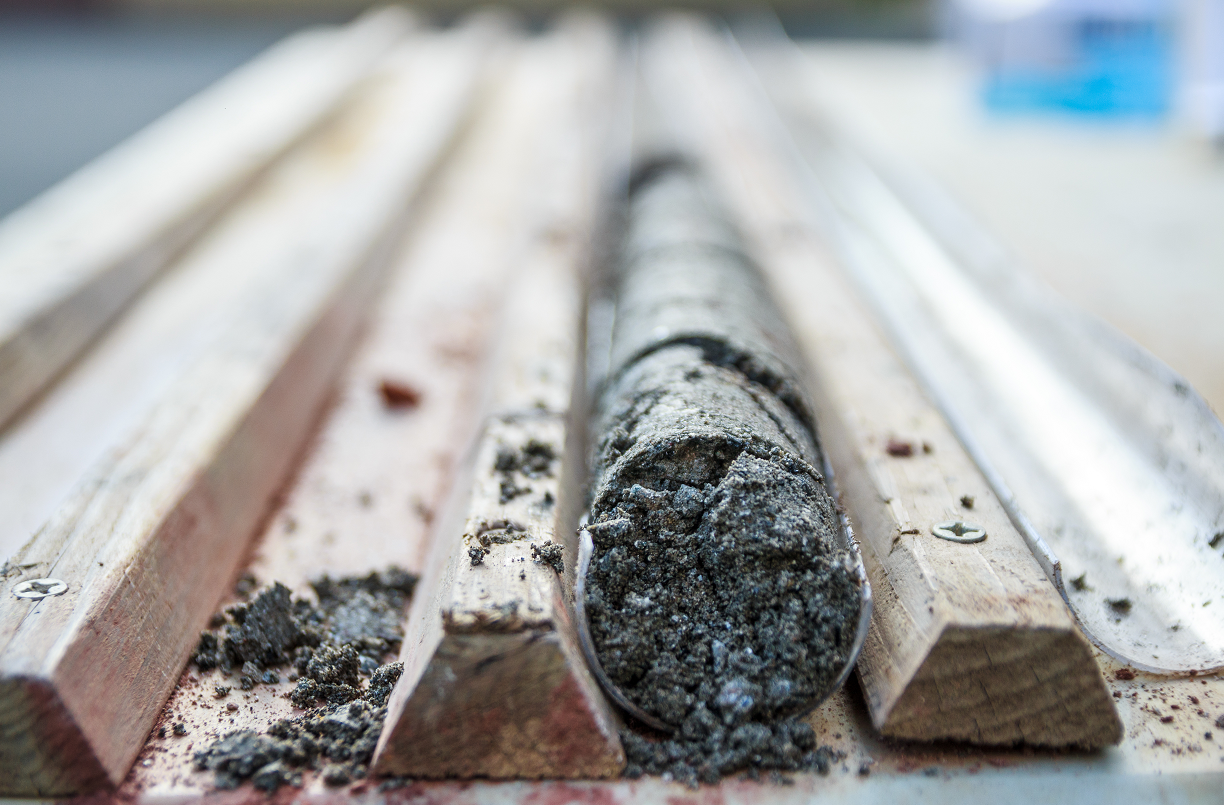
After blasting is complete, representative samples of the spent abrasive and paint debris are collected and tested using the TCLP method.
When Blastox® blended abrasives are used correctly:
- Lead leach values fall well below the 5.0 mg/L regulatory limit
- Waste is classified as non-hazardous
- Disposal requirements are significantly simplified
This step is essential for documenting compliance and protecting project stakeholders.
Step 5: Dispose of Lead Paint Waste in a Non-Hazardous Landfill
Once TCLP results confirm the waste is non-hazardous, the disposal process becomes far simpler.
Benefits of Non-Hazardous Disposal
- Access to many more landfill options
- Reduced transportation distances
- Lower tipping fees
- No hazardous waste generator status
- Reduced long-term liability
By stabilizing lead paint waste during removal, Blastox® allows contractors to dispose of waste in regular Subtitle D landfills, rather than costly hazardous waste facilities.
This is the most efficient answer to how to dispose of lead paint waste without compromising environmental safety.
Environmental and Regulatory Advantages
Blastox® chemistry has been independently tested by the EPA, Federal Highway Administration, and U.S. Department of Defense. Long-term stability has been verified using the Multiple Extraction Procedure (MEP), which simulates hundreds of years of acid rain exposure.
Key environmental advantages include:
- Long-term immobilization of lead
- Reduced risk of future leaching
- Proven performance beyond simple pH adjustment
- Alignment with EPA Best Demonstrated Available Technology (BDAT) guidance
This makes Blastox® blended abrasives not just a disposal solution—but a responsible environmental choice.
Why Blastox® Is the Best Option for Lead Paint Waste Disposal
When evaluating how to dispose of lead paint waste, the most effective strategy is prevention—preventing hazardous waste from being generated in the first place.
Blastox®:
- Stabilizes lead at the point of removal
- Eliminates the need for secondary treatment
- Reduces disposal and freight costs
- Simplifies compliance
- Protects workers, communities, and the environment
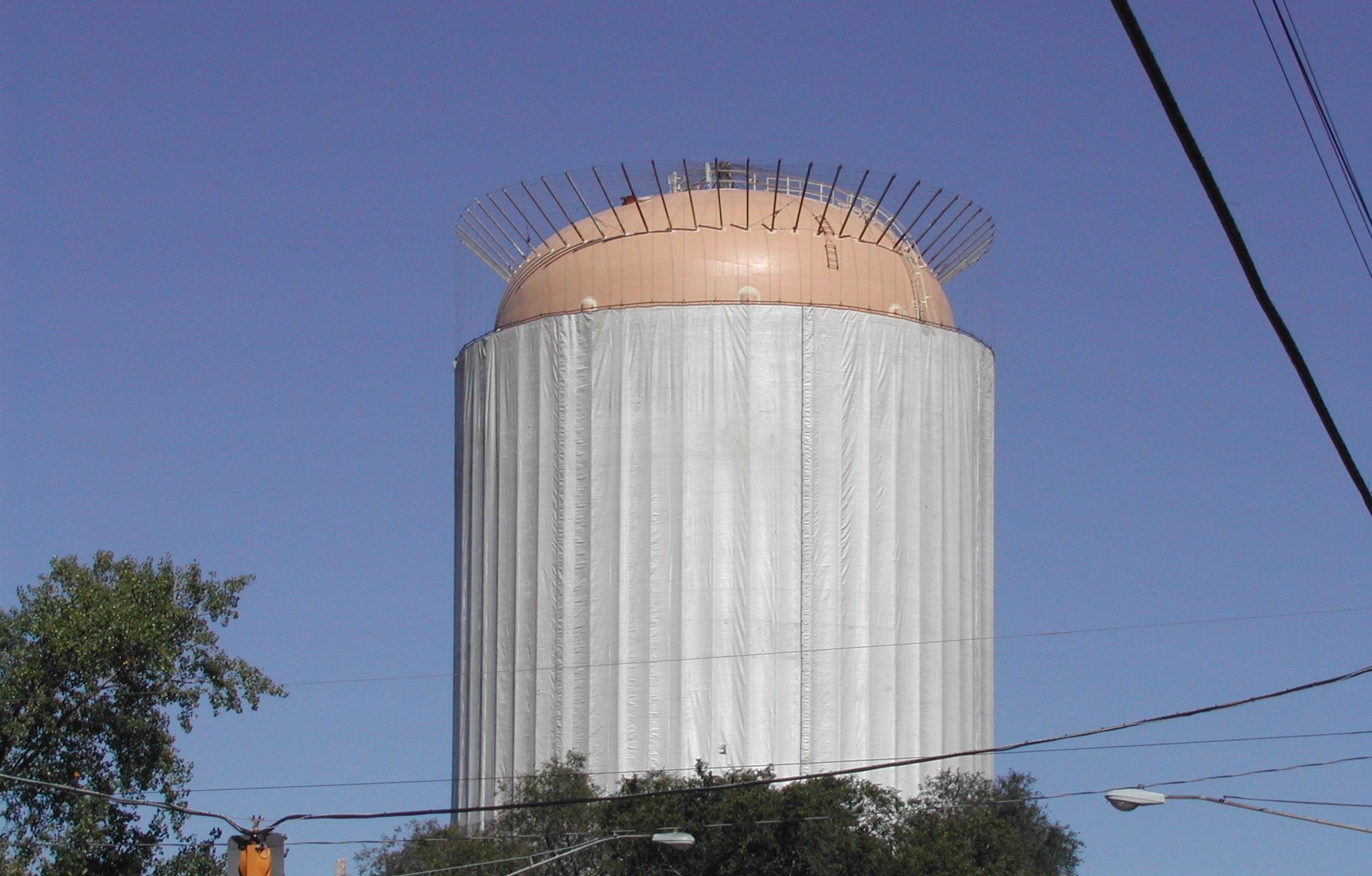
More than 150 million square feet of lead-based paint have been safely removed using Blastox® technology, diverting millions of tons of waste away from hazardous landfills.