

Gun Range Lead Removal: How Blastox® 215 Stabilizes Lead Waste
Gun ranges, whether public or private, indoor or outdoor, face a common long-term challenge: lead accumulation. Over time, bullets and fragments build up in berms, backstops, and surrounding soils. Eventually, this lead must be removed to protect the environment, comply with regulations, or prepare a site for continued use or redevelopment.
Why Gun Range Lead Removal Is Necessary
While gun range lead removal is a well-established practice, what happens to the lead-contaminated soil after removal is often the most expensive and misunderstood part of the process. Without proper treatment, removed material can be classified as hazardous waste, dramatically increasing disposal costs and liability.
Most ammunition contains lead or lead alloys. When bullets strike berms or traps, they fragment into smaller pieces that mix with soil and sand. Over years of use, this creates:
- High concentrations of lead in impact areas
- Fine lead particles that can migrate with water
- Potential contamination of surrounding land
Gun range lead removal is commonly required when:
- Berms reach saturation with bullet fragments
- Ranges undergo environmental inspections
- Property is being sold or redeveloped
- Ranges voluntarily address environmental stewardship
Removing lead from these areas helps reduce environmental risk—but it also creates a new challenge: how to manage the contaminated material safely and affordably.
What Happens After Lead Is Removed?
Once soil or berm material is excavated during gun range lead removal, it must be evaluated for disposal. The EPA uses the Toxicity Characteristic Leaching Procedure (TCLP) to determine whether lead can leach out of the material under landfill conditions.
- If TCLP lead exceeds 5.0 mg/L, the material is considered hazardous
- Hazardous material must be transported to specialized landfills
Untreated gun range soil often fails TCLP testing due to the presence of fine lead particles. Hazardous disposal can quickly become the largest cost in a lead removal project.
How Blastox® 215 Is Used in Gun Range Lead Removal
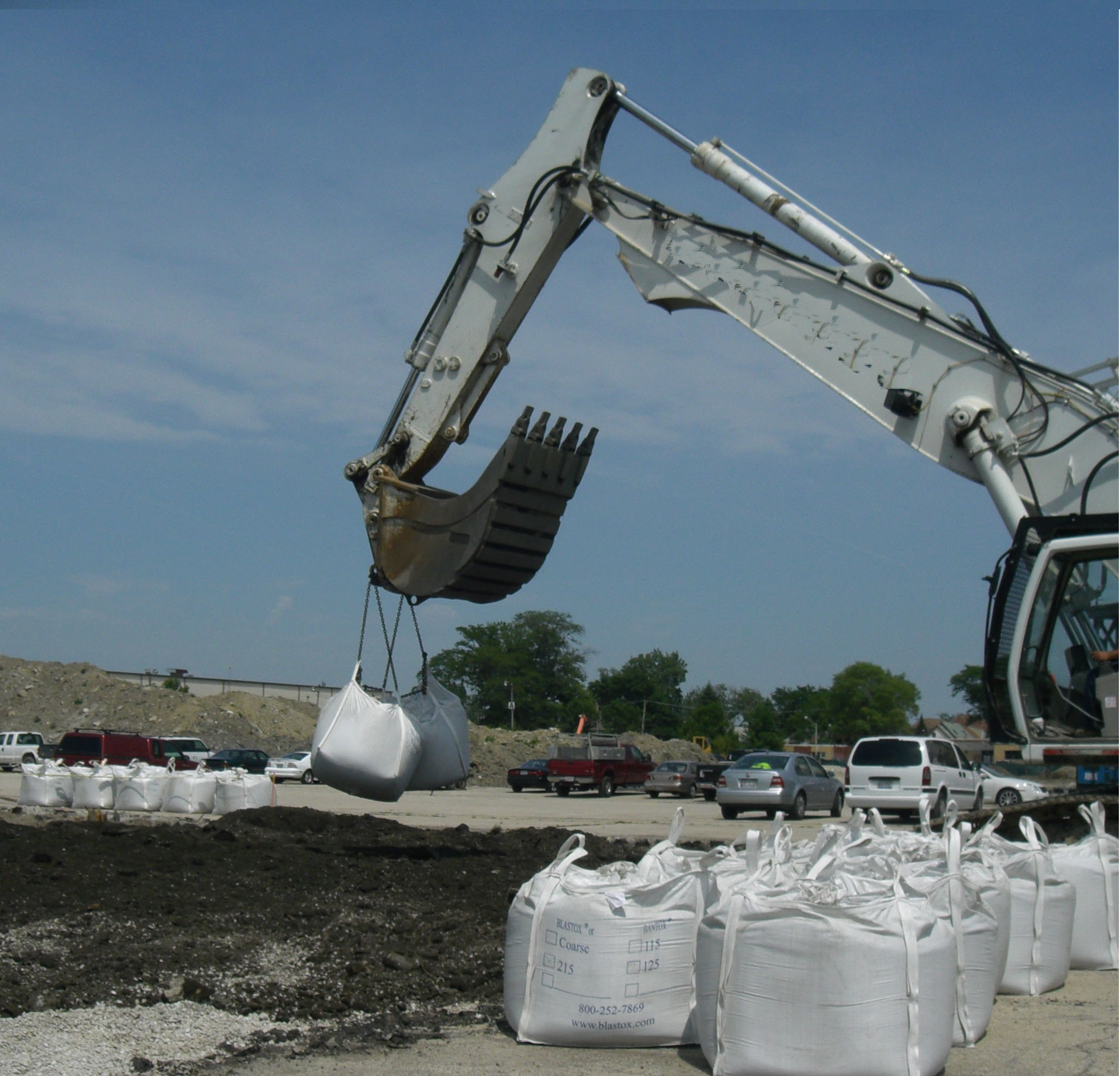
Blastox® 215 is a dry, granular stabilization product designed specifically for treating lead-contaminated soils. It has been used successfully on firing ranges, industrial sites, and remediation projects across the country.
What Is Blastox® 215?
Blastox® 215 is a calcium silicate-based chemistry recognized as a Best Demonstrated Available Technology (BDAT) for stabilizing lead. It is engineered to work at relatively low dosage rates while providing long-term stability.
How Blastox® 215 Stabilizes Lead Waste
Blastox® 215 does more than simply adjust pH. It stabilizes lead using multiple mechanisms that work together to reduce leachability:
- Chemical conversion: Lead is converted into less soluble compounds
- Physical encapsulation: Lead particles are locked into a stable matrix
- Reduced water movement: The treated soil limits water flow that could mobilize lead
This multi-safeguard approach helps ensure that treated soil remains stable over time, not just during initial testing.
Typical Gun Range Lead Removal Process Using Blastox® 215
1. Site Investigation and Sampling
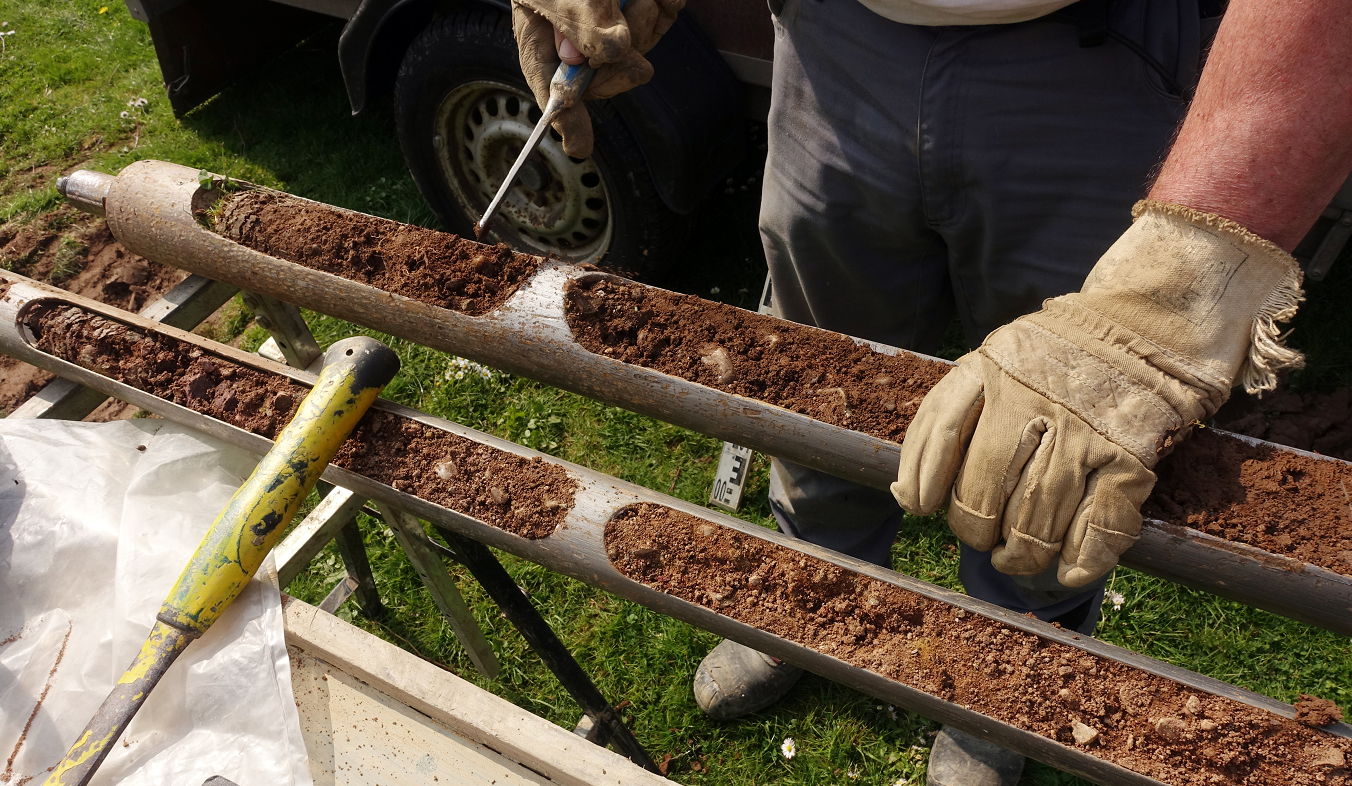
Soil samples are collected from berms and impact zones to determine total lead and TCLP levels.
2. Treatability Testing
A treatability study may be performed to determine the optimal Blastox® 215 dosage needed to stabilize the soil effectively.
3. Lead Removal and Soil Excavation
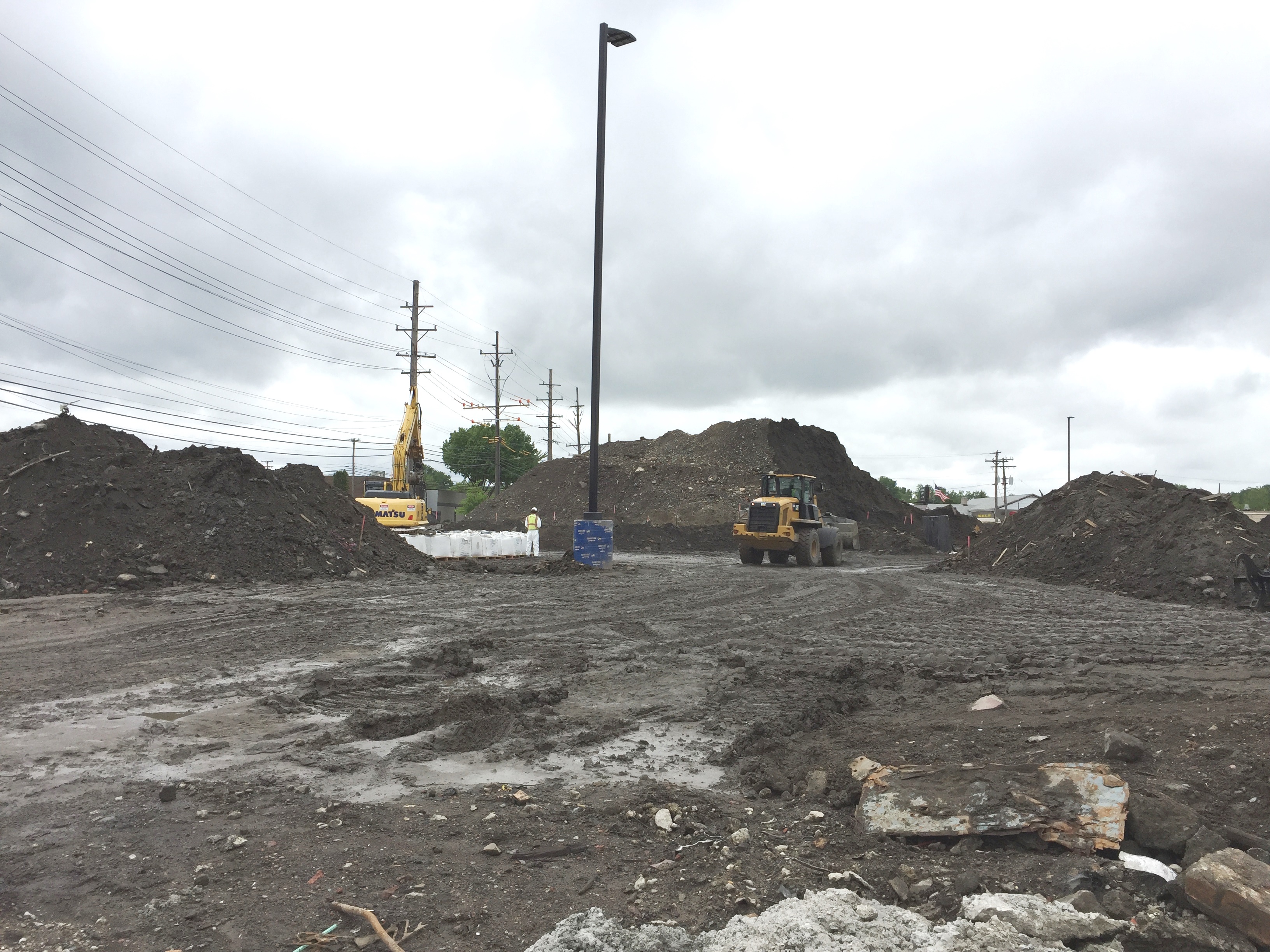
Lead-contaminated soil is excavated from berms or backstops. In some cases, bullet fragments may be mechanically separated for recycling before stabilization.
4. Application of Blastox® 215
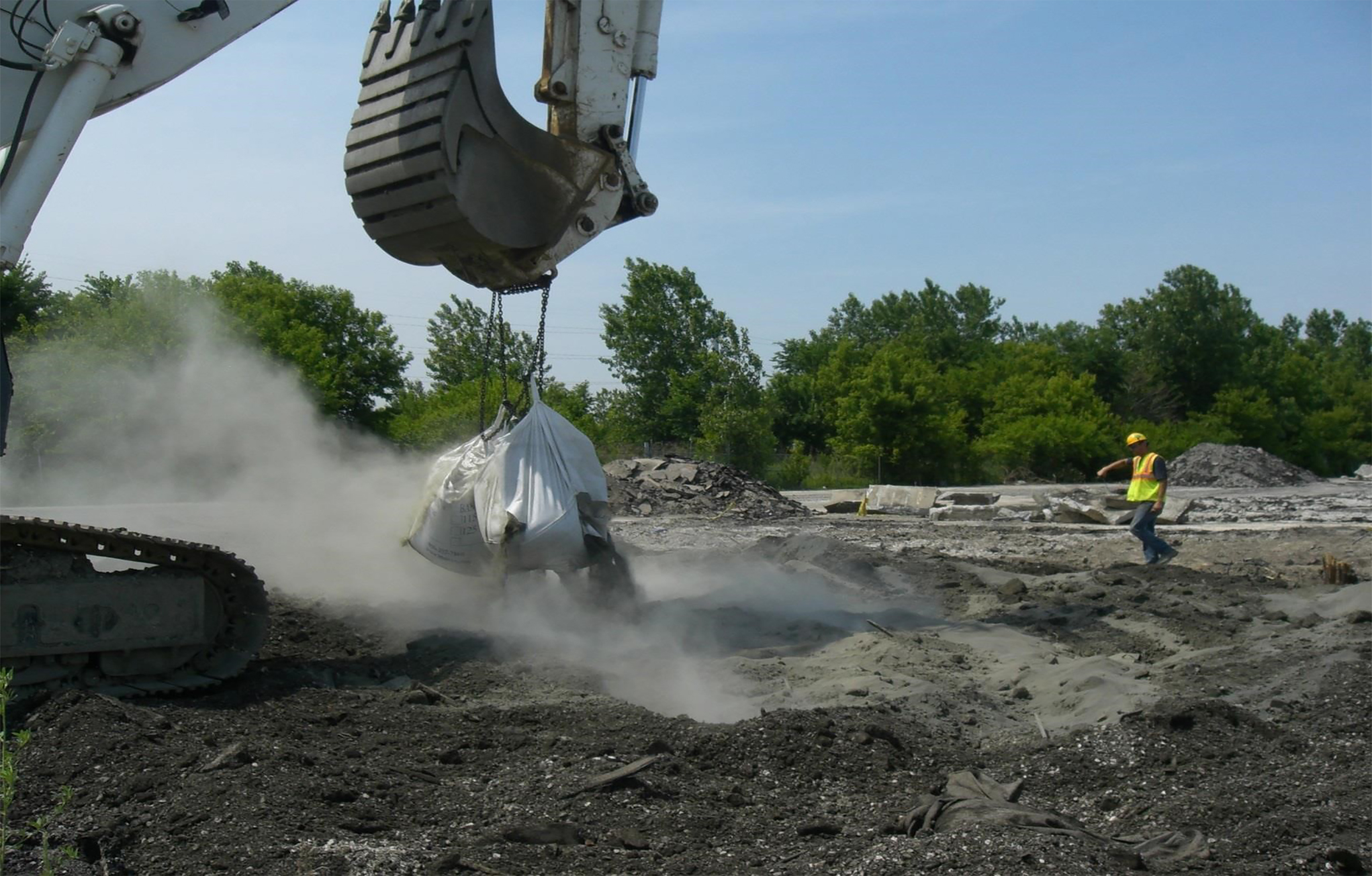
Blastox® 215 is added to the contaminated soil at the specified percentage, either in a mixing area or directly on-site.
5. Thorough Mixing
The soil is mixed multiple times to ensure uniform distribution of Blastox® 215 throughout the material.
6. Confirmatory Testing
After treatment, TCLP testing is performed to confirm that lead leaching levels are below hazardous thresholds.
7. Non-Hazardous Disposal
Once compliance is confirmed, the stabilized soil can be disposed of at a non-hazardous landfill, saving significant time and money.
Final Thoughts
Gun range lead removal is an essential part of maintaining safe, compliant shooting facilities. While removing lead from berms and soils is critical, managing the removed material properly is just as important.
Blastox® 215 provides a proven, cost-effective solution for stabilizing lead waste after removal, allowing soil to be disposed of as non-hazardous material and significantly reducing project costs and liability.
For range owners, municipalities, and remediation contractors, using the right stabilization technology can make gun range lead removal safer, simpler, and more affordable.