Disposal pathway comparison
Subtitle C vs Subtitle D implications for schedule, handling, and disposal options.



Blastox® 215 • Soil Remediation Stabilization
Provide your TCLP results and estimated tonnage — TDJ will provide a project-specific stabilization and disposal plan to help you avoid hazardous waste outcomes when possible.
Takes ~2 minutes. Response in one business day.
30+ years of heavy metal stabilization • 1,000,000+ tons stabilized • Federal validation (EPA, FHWA, DoD)
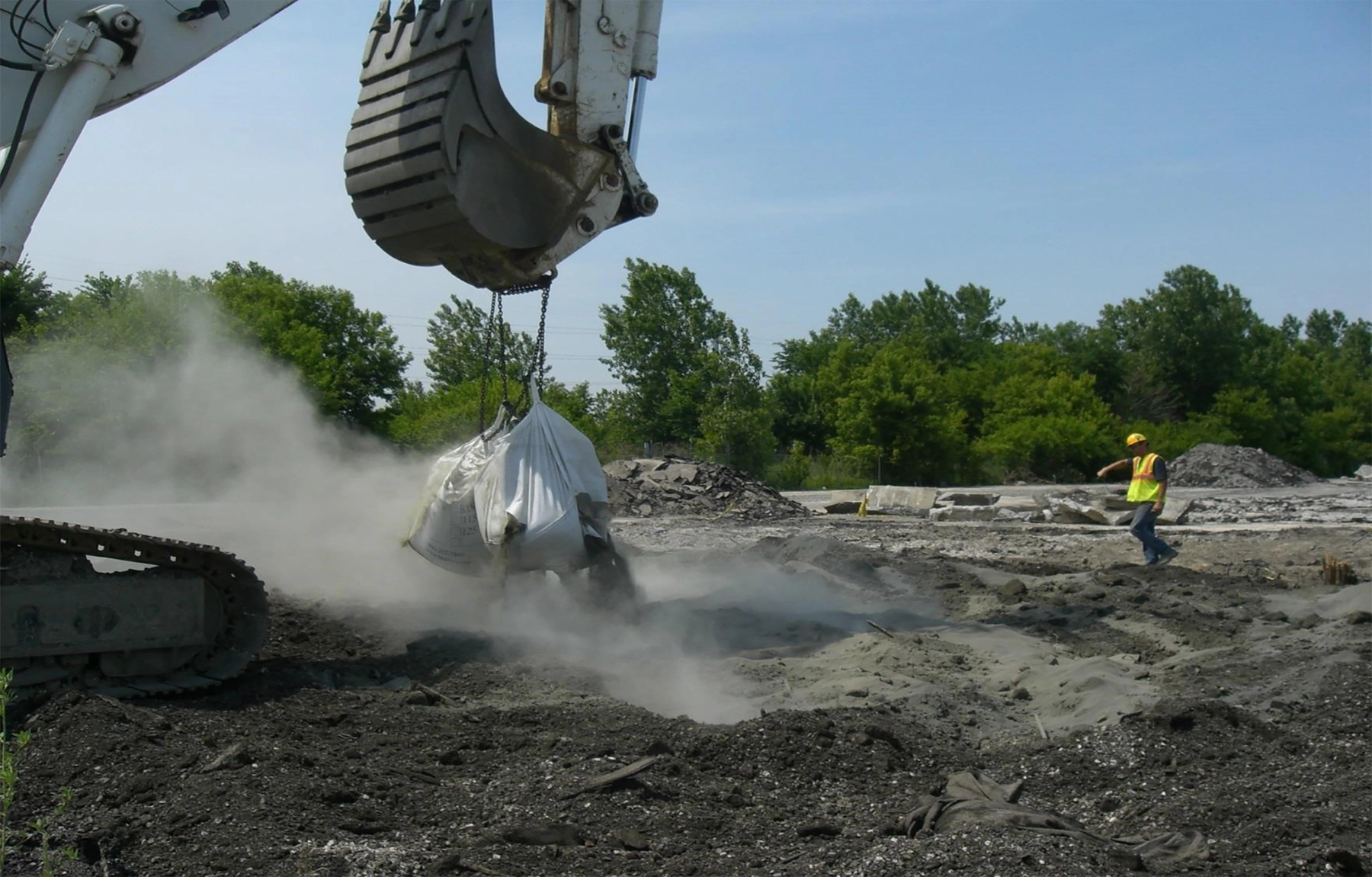
Blastox® 215 is a proprietary calcium silicate stabilization chemistry engineered to immobilize heavy metals through mechanisms beyond simple pH buffering, supporting TCLP compliance and long-term durability under MEP conditions.
TCLP (Method 1311) classifies hazardous vs non-hazardous waste (Pb threshold 5.0 mg/L).
MEP (Method 1320) evaluates long-term stability under repeated acidic extraction.
Independent federal testing concluded TDJ chemistries provide long-term immobilization and durability.
Subtitle C vs Subtitle D implications for schedule, handling, and disposal options.
Stabilization approach (as appropriate) and what to do next to reduce waste risk.
Sampling / confirmatory TCLP guidance aligned to typical landfill acceptance needs.
If needed, we’ll outline what a treatability step can look like for confidence before shipping.
Submit what you have (project context, metals of concern, and estimated tonnage). We’ll advise what lab data is needed and how to sequence sampling for disposal acceptance.
Blastox® 215 is designed for heavy metals stabilization, including lead and other RCRA metals commonly associated with TCLP risk.
TCLP determines classification at a point in time; MEP evaluates durability under repeated acidic extraction. For projects where long-term performance matters, MEP can be a useful confirmation tool.
Dose rate is determined from your lab data (TCLP/total metals), soil characteristics, and disposal acceptance needs. We’ll recommend the next step to confirm if needed.
Depending on site constraints and equipment, stabilization can be performed in-situ or ex-situ. We’ll align the approach to constructability, schedule, and disposal requirements.
Provide TCLP results and tonnage — TDJ will return a project-specific pathway recommendation to reduce risk and avoid surprises.
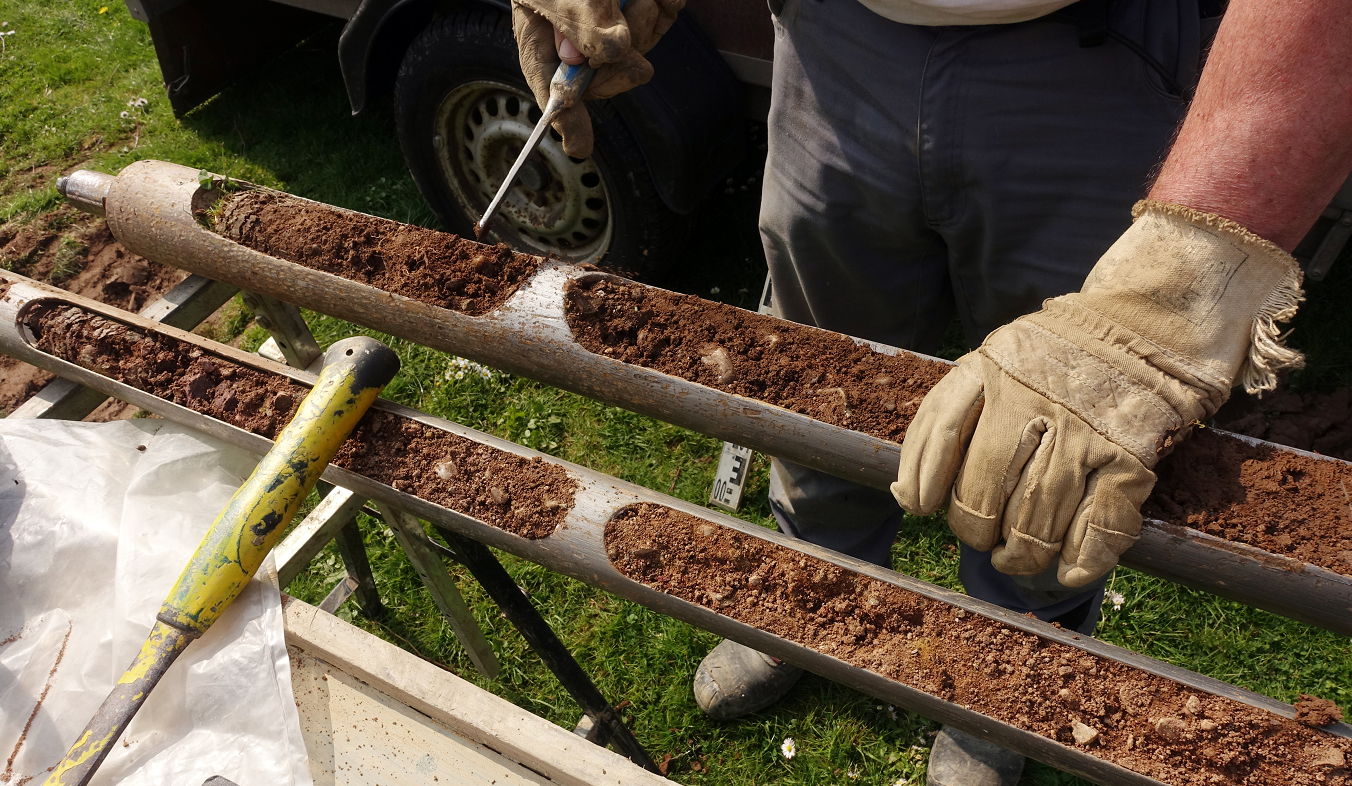
TDJ Group focuses on results as a pioneer and innovative in environmental solutions. An Innovator and Leader for Chemistries Used in Industrial Waste Treatment Projects. More than 1,000,000 tons of industrial wastes have been eliminated.
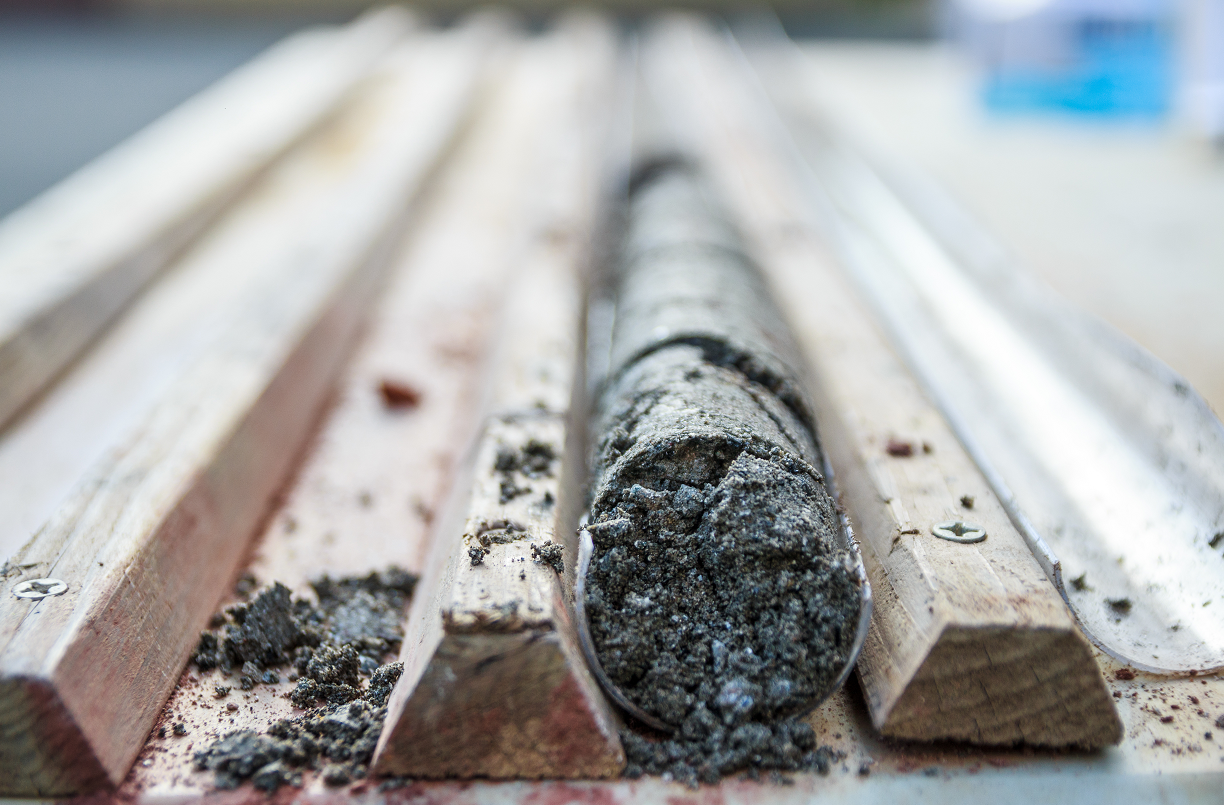
While meeting the EPA definition of a preferred stabilization technology might sound impressive, research by several, highly trained and reputable agencies proving the long-term performance of our chemistries is even more remarkable.